 Just as each month is associated with a particular birthstone (January’s being a garnet), so is each month paired with a particular flower. According to folklore, each of these flowers symbolized specific characteristics, which were in turn assigned to those born during that month. While some claim this custom arose with the Roman empire, I suspect that the florist industry might also have had something to do with it.
Well, it turns out that January’s “birth flower” is the carnation. Carnations are on my Top Ten list of flowers. They’re pretty, typically inexpensive, last a long time as a cut flower, and have a scent that I swoon over. Apparently, I’m in good company. Their genus, Dianthus, comes from the Greek for “flower of the gods.” How appropriate! (more…)

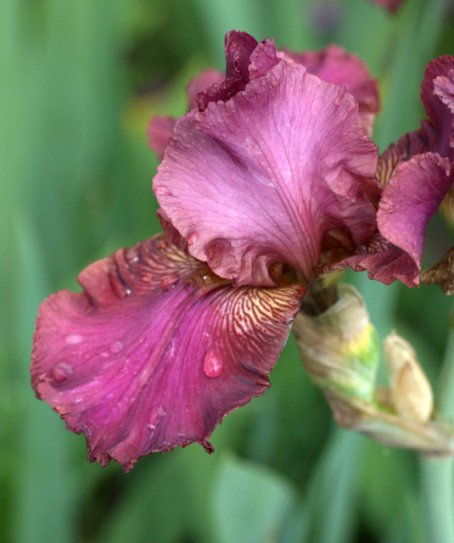
 When you think of container gardens, what comes to mind? Red geraniums in a window box? A hanging pot filled with colorful petunias? How about pots of herbs on the window sill? How about a huge pot overflowing with varied textures, colors, and shapes? When it comes to container gardens, that geranium is only the beginning.
 What genus of flower is beloved by millions? Comes in every color of the rainbow (except green), plus black and white? Has species native to Hawaii—and the Andes? Can bloom through the snow in the dead of winter? Is tolerant of wet soil—or survives drought? Handles full sun or shade with equal enthusiasm? Includes annuals, biennials, and perennials? Always elicits a smile? Is the “birth flower” of February? The lowly Violas—which include pansies and violets—are all this and more.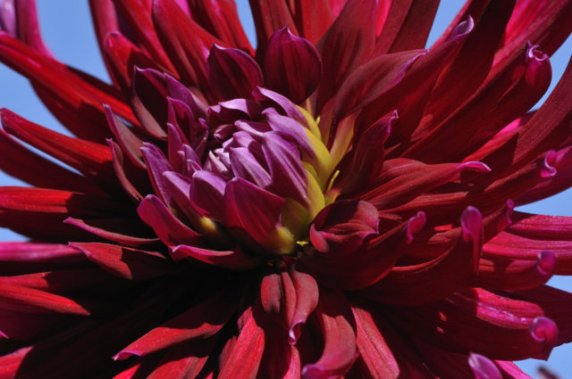
 In a field crowded with contenders, I have a new favorite wildflower. This plant is incredible—large, flashy, tough, gorgeous. What more could you want? Best of all, it’s thriving in my yard. I’m in love.
 The scarlet blossoms really do look like bushy paintbrushes dipped in red paint; they’re hard to miss, even in a meadow crowded with wildflowers. Most of us easily identify these iconic perennials, although we may be a bit confused by the species that bloom in pink, white, and yellow.
 Most landscapes look terrific in May and June. The leaves are fresh and new. From pink crabapples to purple lilacs, it seems as if everything is in bloom. The contrast with the lifeless browns and grays of winter is enough to send you cavorting across the glowing, emerald green lawn.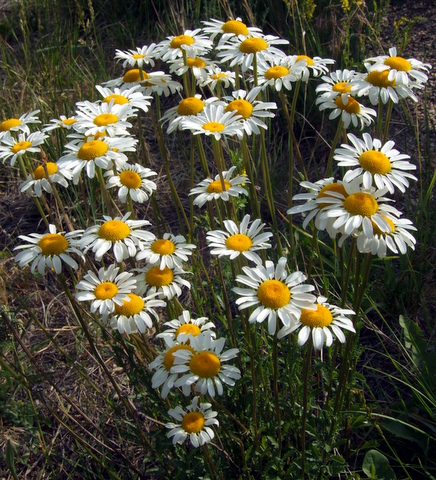
 Mountain Plover