Buttercups. The word brings to mind a field of yellow flowers, or perhaps a young girl sniffing the flower and dusting her nose with pollen. And indeed, some of the flowers in this family, the Ranunculaceae, do make you think of a little cup filled with bright yellow butter. And some don’t.
Author: LAH
September Bird Quiz
This bird was photographed in Colorado in September. Can you name it? I will post the uncropped photo on Saturday, giving you one more chance to identify the bird. The answer will appear at the end of next Monday’s post.

Just the Facts, Please

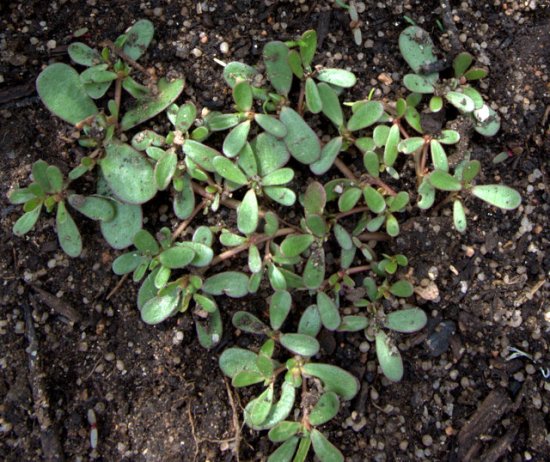
A few weeks ago, I wrote that I intended to verify claims that purslane (Portulaca oleracea) has “amazing health benefits.” I had read an article about this supposedly nutritional plant that seemed a little too good to be true. Being ever the skeptic, I dug in—and learned some things. I’ll use this as a case study on how to verify health claims that you read online. (more…)
August’s Yellow Flowers

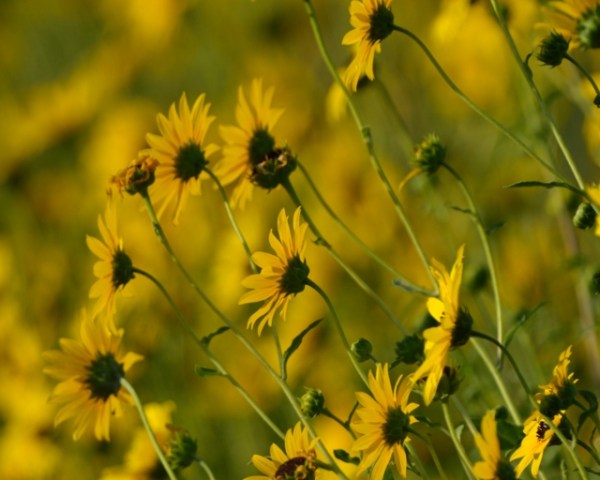
What is it with August and yellow flowers? Last week Pete and I revisited the Yampa River Botanic Park in Steamboat Springs. As I expected, the gardens were in full bloom—dazzling in the clear mountain sunshine. As I strolled the pathways, I noticed expanses of Coreopsis, clumps of Rudbeckia, beds of sulfur-yellow buckwheat (Eriogonum), and sprays of goldenrod. And that’s when I realized that the majority of blooms were in some shade of yellow.
Hope for Musically Challenged Birders (Like Me)

It’s early morning, too early, I groan, but the air is full of sound. Even before the sun crosses the horizon, I can hear the birds calling, singing, squawking, and chirping, all right outside my open bedroom window. Granted, that’s what I get for putting the feeders up close to the house, where they can easily be seen. But still—all that noise, just because dawn is coming?
As I lay in bed, I can distinguish the cooing of the pigeons from the two similar calls of the Mourning Doves and Eurasian Collared-Doves. I know that most of the noise is coming from the flock of House Finches that seem to spend all their time in our yard. And that harsh screeching means the magpies have returned.
pH for Gardeners
To a gardener choosing which plants to grow, pH is an important consideration. While the pH of most soils falls somewhere between 3 and 9, the majority of common landscape plants prefer a pH slightly on the acidic side, say 6.2 to 6.8. However, some plants, such as blueberries and rhododendrons, prefer an even more acidic soil (with a pH in the 5 to 6 range) and other plants, green ash trees and clematis, for example, do best under more alkaline conditions, with a pH above 7.
Mt. Evans, Revisited

Here in Colorado, when it’s hot out on the plains, we head to the mountains. And there’s no better mountain to head to than Mt. Evans. No hiking required, unless you want to reach the 14,265 foot peak, and even that is only a quarter mile up a series of switchbacks from the summit parking lot. And while the view from the top is worth the effort, most of the really good stuff is on the way there. It’s a good metaphor for life.
August Bird Quiz, Uncropped Photo
If you were stymied on Monday, now can you name this bird? The photo was taken in Colorado in May. The answer will appear in Monday’s post.

August in the Veggie Garden
The dream:
August should be a time of bounty. By now, seeds sown last spring should have had time to grow and produce a harvest—leafy red chard, crunch lettuce, glossy eggplant.