
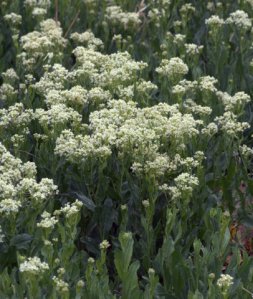
 Spring flowers are finally filling the fields. Milk vetch, penstemons, wild onions and marsh marigolds all caught my eye as I hiked though the towering cottonwoods along Fountain Creek, at the base of the Rockies here in central Colorado. I was particularly impressed by huge swaths of a foamy white flower I didn’t immediately recognize.
Counting the petals—each tiny flower had four—and examining the foliage led us to conclude the plants were Crucifers, members of the mustard family. Sure enough, we were enjoying the pretty flower heads of Whitetop (Cardaria draba), an aggressive import from Europe and Asia that is listed as a noxious weed here in Colorado (List B). Oh dear.
 It was like a bird-shaped ghost—we couldn’t quite believe our eyes. My friend Debbie and I were birding near Grand Junction, in Colorado National Monument—a spectacular place of sheer cliffs, rock pinnacles, and copper-colored sandstone.
 Is your garden being bugged? While 95% of all insects are either beneficial or benign, that last 5% can eat us out of house and home—or at least out of cabbage and broccoli. If insect invaders are on the attack, sometimes you just have to fight back.
 Right on schedule, I hear the shrill whistle of a Broad-tailed Hummingbird’s wings. I’m writing this on May 1, and I just had my first tiny visitor of the season—on the exact same date as last year. I’d hung the feeder a few days ago, just in case, but not one bird stopped by until today. Amazing.

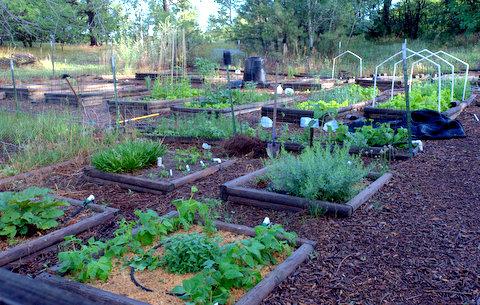

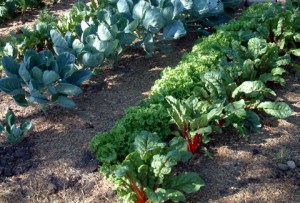 Earth Day is this weekend, and what could be a more appropriate celebration than starting a vegetable garden. And for those of us in the Pikes Peak area, it’s finally time to get some dirt under our fingernails.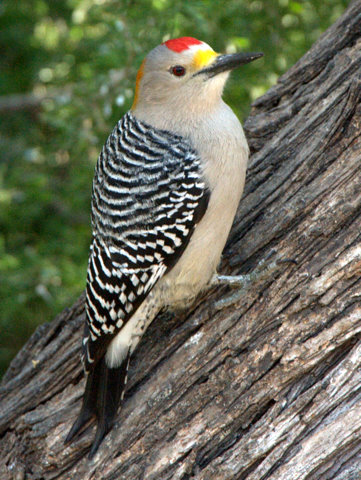
 Mountain Plover