And a partridge in a pear tree…

We’re all familiar with The Twelve Days of Christmas, maybe to the point where we don’t really listen to the words. Did you ever stop and realize that there are a lot of birds in that song? Think about it…

  • 7 swans a swimming
  • 6 geese a laying
  • 4 calling birds (probably originally “colly” birds)
  • 3 French hens
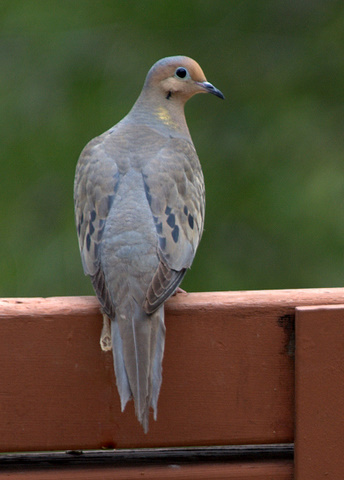
  • 2 turtle doves
  • and a partridge in a pear tree

According to Wikipedia, “Textual evidence indicates that the song was not English in origin, but French, though it is considered an English carol.” French or English, the birds are therefore European species, unfamiliar to Americans. Would we have wanted these birds as Christmas gifts?

(more…)

What Birds Want for Christmas

Dark-eyed Junco_LaVetaCO_20100320_LAH_0126Santa is making his list—what do birds want for Christmas? There are all sorts of recipes and projects that are meant for wild birds, but so often they’re actually meant to keep us birdwatchers entertained. No one asked the birds for their opinion.

If you really want to please the birds, how about…

A special treat to eat
One year I received a pine cone, cleverly rolled in suet and peanut butter, then in millet. The greasy mixture held (most of) the seed in place. It was adorned with a ribbon for hanging outside as a treat for the birds.

(more…)

Culling the Flock

chicken_run2

I have nine hens in my chicken coop: six pullets that have just started laying small eggs, and three aging biddies who lay huge eggs… once in a while. We love the jumbo eggs—one per person is enough for breakfast—but we are only finding three or four per week, whereas the six pullets are together laying five or six eggs per day. In the meantime, the hens are all munching down on laying pellets at pretty much the same pace.

(more…)

Watch Birds, Do Science

platform-feeder-home-17nov2005-lah-046r-1

Are you interested in birds? Do you enjoy counting them, listing them, or watching them cavort around your backyard birdfeeder? Would you like that interest to benefit more than your natural curiosity and enjoyment?

There are lots of ways that you, as a birder, can make a significant contribution to science. You don’t need to be an expert birder. It doesn’t matter how old—or young—you are. You don’t need to don a white lab coat or, in some cases, even leave the house. In fact, you can do science in your bathrobe!

(more…)

Camp Robbers

gray-jay-turquoiselake-2004sept13-lah-002We had been camping at Turquoise Lake, near Leadville, Colorado, high in the Rockies. As it was lunchtime, we spread out a tablecloth, set out a bowl of chicken salad (with chicken, grapes, celery, and pecans), and went to find the plates and forks. But as I returned to set the table, the salad seemed to be missing something… the pecans were gone! Seems we’d been victims of the camp robber!

“Camp Robber” is an apt nickname for the Gray Jay. Familiar residents of campgrounds throughout the coniferous forests across Canada and southward along the Rockies, these small jays aren’t the least bit shy. The birds have a tendency to not only accept handouts, but to brazenly help themselves to anything on your plate that looks edible.

(more…)

Who Gives a Hoot?

burrowing-owls_bixleynwr-ca_lah_9641At some time of another, most birders have a “nemesis bird”—that species you really want to see but you always seem to show up a minute too late. Or you show up in the wrong spot. Or you hear, “We always get that bird on this trip; I don’t know why it’s not here now!”

I’ve come to realize that I don’t just have a nemesis species—I have a nemesis family! For some reason, I have an extraordinarily hard time finding owls.

(more…)

Eggs!

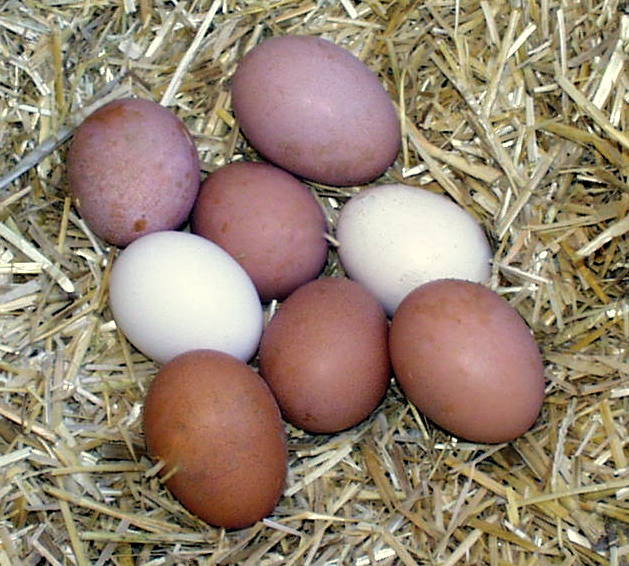
pullet-eggs_lah_2165After a fox attack last spring, we’re down to only three aging hens and six five-month-old pullets. Instead of giving eggs to all our friends, I’ve had to buy them at the market. So this morning, after being out of town for the weekend, I walked out to the coop hoping to find an egg, or maybe two. Instead, there were close to a dozen!

Yup. A month ahead of schedule, our new pullets have become egg laying hens.

(more…)

Telling the Boys from the Girls

black-headed-grosbeak_santaritalodge-maderacynaz_lah_1792c8x10fil-sMale ducks don’t look anything like female ducks, at least during the breeding season. And you can easily tell the boy Black-headed Grosbeaks (right) from the girls (below)… in fact, they don’t look like they even belong to the same species! But with lots of birds, from Steller’s Jays to Canada Geese, it seems that only they know who is who.

black-headed-grosbeak_blkforest-co_lah_6171-1

I’ve often wondered just how they do that. What is it that tells male Red-tailed Hawks who the ladies are? How do California Gulls avoid courting a gull of the same sex? Well, I just read some fascinating articles that solved this mystery, at least when it comes to Black-capped Chickadees.

(more…)

Composting with Chickens

eggs-and-chickens-067It’s time to clean out the chicken coop. All summer my little flock has been happily picking weed and grass seeds out of the straw I spread in their coop last spring. At the same time, they’ve broken down the big pieces of grass stem into finer shreds. And, best of all, they’re balanced all that carbon with some nice, hot chicken manure.

Now that the weather has cooled a bit, I’m willing to venture out to the coop with a rake, scoop, and wheelbarrow. All that compostable material is heading for my veggie garden.

(more…)