
Category: Vertebrates
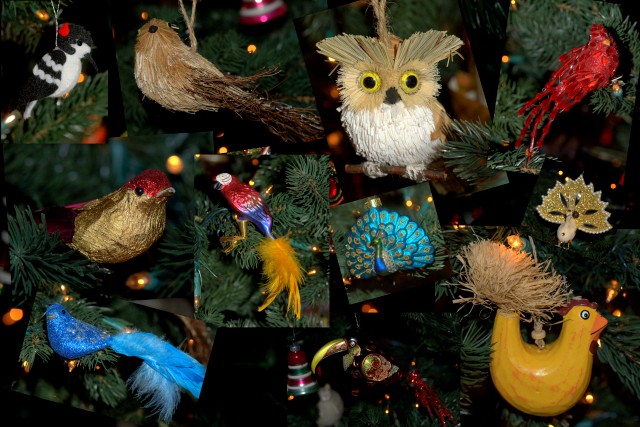
Birdy Gift Ideas
 I admit to feeling a bit smug. My Christmas shopping is done, the gifts are wrapped and delivered, and I can relax with a cup of tea and simply enjoy the season. However, I realize a lot of people are still wracking their brains for the perfect present for someone. I can’t help you with Aunt Milley who has everything, but I do have some ideas for any birders on your list. Happily, birders are easy to shop for. Pretty much anything bird-related is bound to be a hit.
Birding Books for Kids
Any birder with a child in their life is eager to pass along their love of birds and nature in general. Pete and I have been blessed with a granddaughter, and even though she’s only seven months old, I’m already on the lookout for ways to share my interests.
At this tender age, she isn’t quite ready for her own binos—she’d probably try to eat them. Plus, she lives halfway across the country, so I can’t take her outside with me nearly as much as I’d like. Still, you can bet that most of the gifts from grandma this Christmas will have something to do with nature.
Mountain Plover Photography
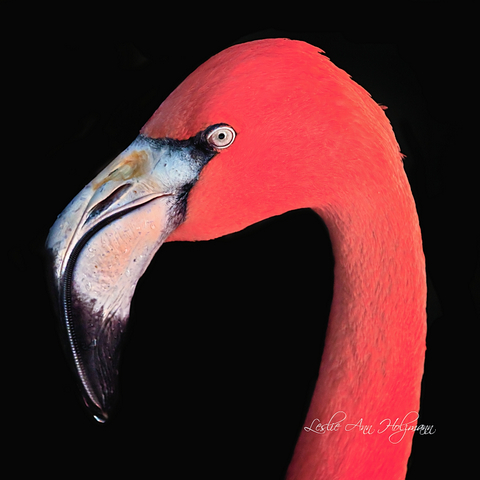 Instead of an interesting and informative article on gardening or birding, today I have a shameless advertisement for my photography business, Mountain Plover.
I usually sell my prints and blank cards in person, either at a speaking engagement or at a one of the craft boutiques so prevalent this time of year. However, I’m also happy to ship greeting cards and matted prints anywhere in the United States. (Overseas? Contact me.)
Bird Quiz #11
(Make sure you also see the previous months’ Bird Quizzes!)
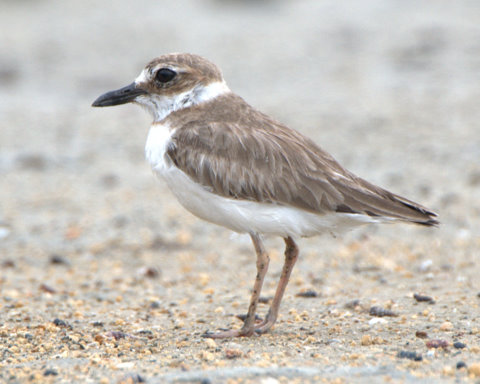
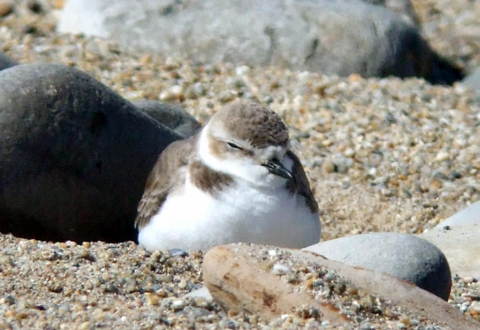
Can you identify these birds? The top photo was taken in Puerto Rico in May. The bottom photo was taken in California in February. My answer will appear next Monday.


Rocky Mountain Arsenal NWR
 Saturday was such a gorgeous day in Colorado, my husband and I headed for the Rocky Mountain Arsenal National Wildlife Refuge, just northeast of Denver. There’s something inherently satisfying about taking a place that was once a chemical warfare factory and turning it into a shortgrass prairie abounding in wildlife.
Or at least it was supposed to abound. We’ve been there before, in late spring, when the numerous scrubby areas were full of birds. This visit was quite different.
Rare Birds Indeed
It would seem that the El Paso County (Colorado) parks department needs to take some birding classes. Look closely at the sign in the next photo.

Dear Aiken Audubon…
“What should I feed the owl in my backyard?”
“How can I keep those spotted woodpeckers from waking me up at 5 a.m.?”
“Do you sell bluebird houses?”
“Do you have programs for children?”
“What bird is this?”
When our Audubon chapter website encourages people to “Contact Aiken Audubon,” the emails come to me. I’m the “real person” behind the Aiken email address. It’s fun. I never know what I’m going to find in my inbox!
Quiz #10: Answer
To refresh your memory, here again is the photo for Bird Quiz #10.

As I mentioned in the quiz, the photo was taken in Oregon in September. As you can tell, the bird is standing on sand, eating a piece of a large fish. It’s pretty safe to assume I was at the beach.

