Bird Photography: Balance & Color

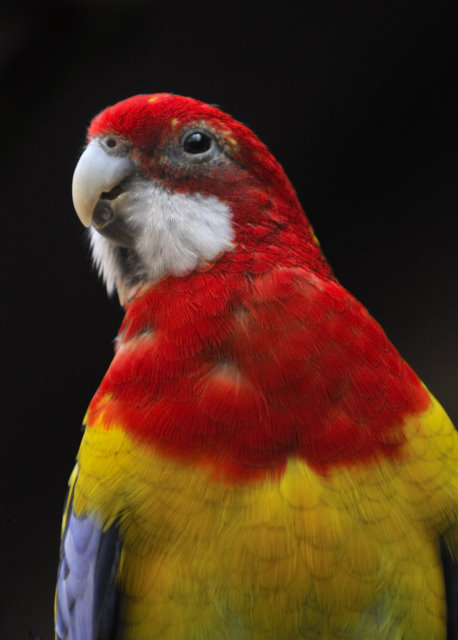
Eastern Rosella Parrot_CheyenneMtnZoo-CO_LAH_4110As I mentioned last month, if we want our photography to look like art, we need to study art. I find that the more I learn about composition and design, the better my pictures turn out. Here are a few more things to consider when looking through your viewfinder.

Balance
Objects in a photograph have visual weight to them. Imagine that your photo is a seesaw, supported by a point in the middle. For example, a large, black crow to the right of the picture will tend to pull that side downward unless balanced by something else on the left side. Just as with actual weights, two or three smaller objects can balance one big one. Most pleasing pictures are visually balanced. Remember that a large open space can also have weight, so you don’t need clutter your composition. (more…)

Bird Photography: Basic Composition

Secretarybird_DenverZoo_LAH_1564 As I’ve mentioned before, there are lots of reasons to photograph birds. Perhaps you just want a record of what you’ve seen, or proof of a rarity to convince those eBird auditors. Maybe you can’t ID the bird at the moment, and you want to give it another shot once you get home. In cases like these, it doesn’t really matter how pleasing your photograph is as a work of art.

But maybe, like me, you don’t just want a snapshot of the bird—you want a good photo. You’re paying attention to the lighting and the background, and to what the bird is doing. You’re hoping to create a work of art. In that case, it helps to think like an artist.

(more…)

Bird Photography: Light

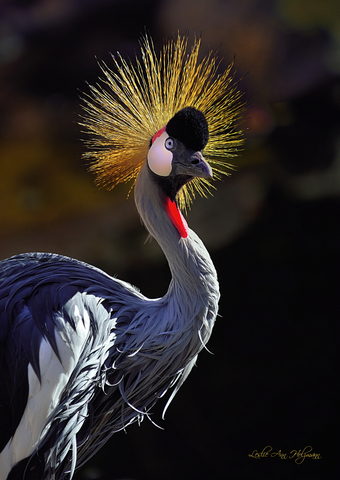
12 x 18 Crowned CraneThe word “photography” means “writing with light,” and the right lighting can make the difference between a ho-hum snapshot and an award-winning photograph. But what is the “right” lighting? And how do you take advantage of it?

In general, photographers think of light as coming from one of four directions—from the front, side, back, or overhead. Each of these has pros and cons, with widely varying results. Then there are different qualities of light, such as bright or soft. Different combinations of these conditions will greatly affect your results.

(more…)

Bird Photography: Keep It Simple, Sweetie

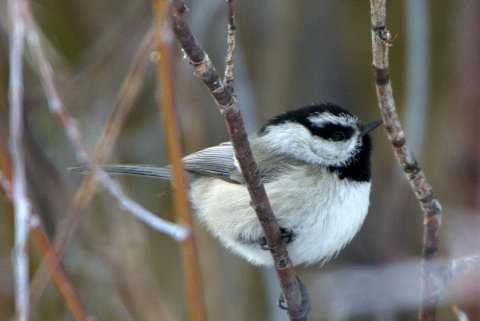
Mountain Chickadee_StForestStPark-CO_Mountain Chickadee_StForestStPark-CO_LAH_0278You’re out birding and you see an adorable Mountain Chickadee, busily working over the scrub oak branch looking for a snack. Happily, you’ve got your camera, so you grab a few quick shots. But when you get home and enlarge them on your computer screen, you’re disappointed. The bird is cute, but it’s surrounded by brushy twigs and dead leaves.

As I scroll through photo after photo on my various Facebook photography sites, I’m struck by the stark disparity between the experienced photographers and the obvious beginners. There’s nothing wrong with being a beginner—we all had to start there—but there is a problem if you stay a beginner year after year.

(more…)

Bird Photography: Use your birding skills!

Long-billed Curlew_WaddellBeach-BigBasinSP-CA_LAH_0768As birders, we have an advantage over other photographers wishing to photograph birds. We know our subjects. All those skills we’ve garnered in our years of stalking lifers and observing birdy behavior are about to pay off—big time!.

Finding birds is easier for us birders. We know where the hotspots are. (If in doubt, check out the field trip destinations from any birding club website.) For example, Colorado birders know that Mt. Evans and Guanella Pass are often productive places to search for ptarmigan, while Clark’s Nutcrackers and Gray Jays can almost always be found at the Rainbow Curve pull-out in Rocky Mountain National Park.

(more…)

Bird Photography: Practice makes perfect!

Belted Kingfisher_FCNC-CO_LAH_1319_filteredThere are lots of reasons to photograph birds. For one, it’s lots of fun (although all-too-often frustrating as well). Photos can provide a record of birds you’ve seen, especially if, like me, you start second-guessing your best sightings the minute the bird flies away. They provide proof to ebird and records committees that your rarity was indeed what you thought it was.

Perhaps you’re birding in an unfamiliar location. You may not immediately recognize all the birds you see, and photos might allow you to ID some species later, when you’re not in a hurry.

Photos can also be artistic. Everyone can be creative—it’s part of our DNA—and photography makes a wonderful creative outlet.

(more…)

Photos Make Special Gifts

LAH_3950Today it’s time for my once-a-year photography promotion. Does someone on your gift list go wild for wildlife or bonkers for birds? Do they laud landscapes? Are they passionate about plants? How about giving them  a photo expressing their special interest?

You can visit my online store at mountain-plover.com, view my line of blank greeting cards here, or contact me directly for prints of any of my photos that appear anywhere on this blog. (Note that prints not in stock will take a few extra days.)

(more…)

Come See My Photos!

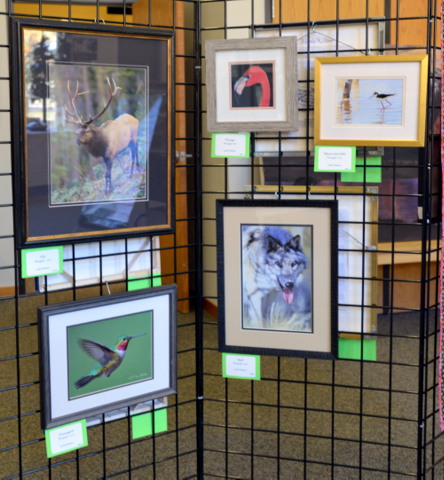
Lake Agnes_COStateForestSP_LAH_8222 p_filt 24 x 36 gallery wrapI am ridiculously excited. Mission Coffee Roasters and Cafe, offering the best coffee in Colorado Springs (and maybe the world), is hosting my photographs from now through the end of April. There are over a dozen prints of all sizes, from an 8-inch square framed portrait of a Flamingo to huge, 2 by 3-foot gallery wraps of some of my favorite landscapes. They’re all on display, and they’re all for sale.

(more…)

How to Take Bad Bird Photos

Today I’m going to explain how to take bad bird photographs. I’ve had years of experience doing just that, so I consider myself an expert. After reviewing various online photo galleries, it seems that anyone can take very nice bird photos but it takes a master to create truly horrible images.

(If, to see a particular point, you need a larger version of an image, simply click on it.)

(more…)

Take Better Bird Photos

the handbook of bird photographyWhat’s a birder to do, once we’ve checked off all the easily seen local birds? I, for one, can’t afford endless trips to exotic places. I don’t have time to chase rarities (which is why I missed the Red-necked Rail at Bosque last month). And I don’t keep year lists, or county lists (or even state lists).

How do you maintain your interest in species you see trip after trip? I turned to photography. There’s always the possibility of a better photo—a different pose, interesting behavior, surreal lighting. The more I practice, the better I get, although I have a long way to go before my photos are gracing the cover of National Geographic!

(more…)