

It’s helpful to understand your equipment, to know how to set up your camera so your subject will be in focus and properly exposed. Knowing how everything works will allow you to avoid mistakes and the frustration that accompanies them. If you’re especially enamored of technical things, you’ll probably enjoy trying out all your camera’s menu choices, dials, and buttons, learning what it’s capable of. But just as most of us don’t pull out our phone simply to play with the settings, understanding the technical aspect of photography isn’t our final goal. Rather, it’s the means to an end. We want to create quality photographs.

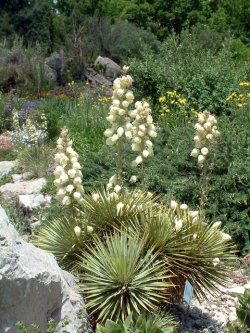 Yuccas are as much a part of the Colorado landscape as red rocks and towering peaks. I admit, I didn’t like them at all when we arrived 25 years ago. Yuccas? Yuck! But in the intervening years, they’ve grown on me. I now acknowledge that yuccas have their place—as long as it isn’t in my yard.
 Every so often I come across an article that explains something so much better than I ever could. This is one of those times.
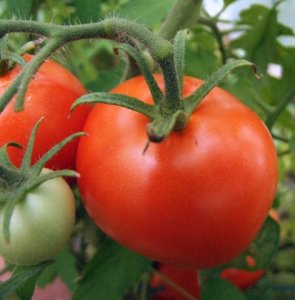 Summer is just around the corner and the weather is (hopefully) settled. You’ve finally planted your tomato seedlings and you’re dreaming of luscious, red, ripe tomatoes—the sooner the better.
 The flowers could be considered somewhat pretty—a white or lavender tuft reminding me of cornflowers (aka bachelor’s buttons). The somewhat pretty flowers are probably the only positive aspect of these plants. A common noxious weed, knapweed is the bane of my garden.
 Today’s post is a simple reminder to gardeners hoping to grow something new and exciting. As gardeners, we’re always tempted by a special cultivar that is unusual, a bit out of the ordinary. Why else the hunt for black flowers—roses, or petunias—especially when the colors they do come in are so much prettier? I have a friend who paid a considerable sum for a yellow peony—just because most peonies are white, pink, or red.
 Mountain Plover