
 As an enthusiastic gardener, I spend a lot of time in my yard, but it’s always a treat to visit other gardens. Just as sandwiches always taste better if I don’t have to make them, a garden I haven’t tended seems more lovely somehow. Perhaps it’s because I’m not responsible for pulling every weed; I can just relax and enjoy the flowers.
I’ve been garden hopping a lot this month. Earlier this month, our house suffered 45 minutes of half-inch hail accompanied by a torrential downpour. Runoff scoured my gravel paths and adjacent flower beds—I never did find some seedlings I had just planted. Happily, other parts of town completely missed the destruction. I find their intact flowers and un-shredded leaves therapeutic, easing my bruised sensibilities while my garden heals. (more…)

 The bulldozers are at it again. Another swath of short-grass prairie is being turned into houses. I can’t complain—I live in such a house. A mere three years ago, birds and bunnies made their home in what is now my yard. The voles and cottontails are still here and thriving, largely at the expense of my landscaping. The birds—assorted sparrows, hawks, Say’s Phoebes, Horned Larks, Scaled Quail, and Killdeer—decided to go elsewhere.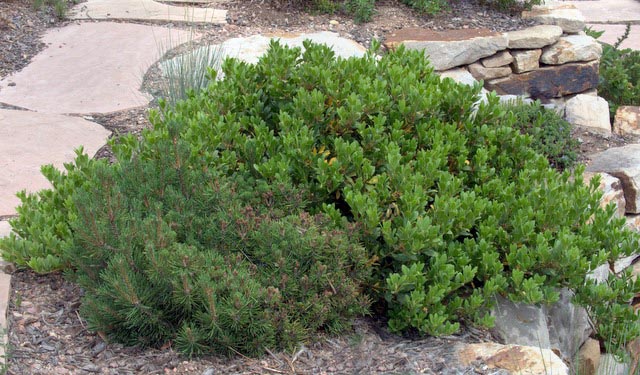
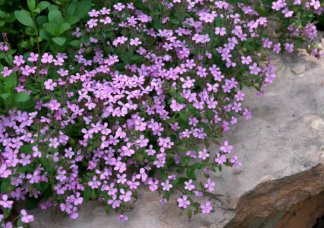 It’s such a pretty plant, petite and delicate, only a few inches high and covered with quarter-inch flowers of the softest pink. It’s the kind of groundcover perfectly suited for small spaces, rock gardens, and fairy bowers. It can even be used as a lawn substitute, as it tolerates limited foot traffic. With so much to recommend it, I’ve often wondered why this hardy perennial isn’t more popular. Perhaps it just needs a better name. “Soapwort” fails in the marketing department!
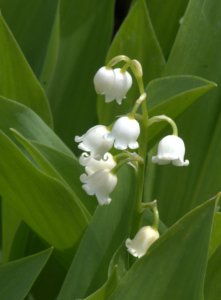 Maybe hemlock has the right idea.
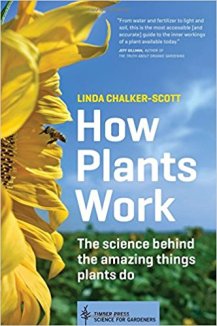 New gardening books seem to pop up as regularly as springtime dandelions. Most simply rehash what has been said before—perhaps with a new twist or better photos. But How Plants Work: The Science Behind the Amazing Things Plants Do (Science for Gardeners) isn’t your typical treatise on how to grow what. Instead, the author, Linda Chalker-Scott, explains the “why” behind the “how.”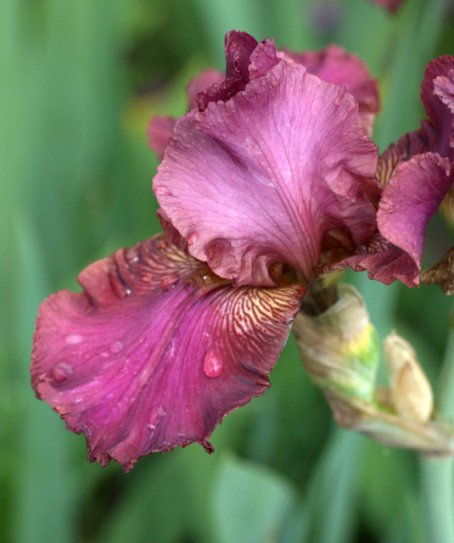
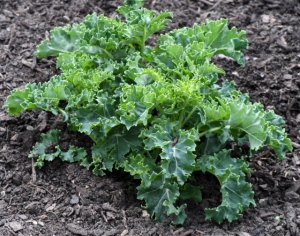 We were gone last fall, so I never got around to pulling out last summer’s freeze-killed veggies. It turns out that was a good thing. With no protection at all, my Starbor kale roots survived our Zone 4 winter, and new growth is appearing from a dead-looking stump. I expect the kale plants to bolt as soon as it warms up a bit more, but in the meantime, I’m harvesting kale now. I plan to include kale in my garden again this year, starting seeds inside and setting out plants in late June to mature in September and October, after frost sweetens the leaves. You can bet I’ll leave those plants in place next fall, maybe with a bit of mulch or a row cover, for yet another early harvest.
  When you think of container gardens, what comes to mind? Red geraniums in a window box? A hanging pot filled with colorful petunias? How about pots of herbs on the window sill? How about a huge pot overflowing with varied textures, colors, and shapes? When it comes to container gardens, that geranium is only the beginning.
 Mountain Plover