
 Summer ends this weekend, but late-blooming flowers are far from finished. One can’t help but notice the conspicuous school-bus-yellow daisies, known as Black-eyed Susans, which thrive along our Colorado roadsides. (Most are Rudbeckia hirta, but other species also grow here.) Happily for us gardeners, there are cultivated forms of Rudbeckia that continue to brighten our home landscapes well into autumn.
Category: Gardening
Putting Your Garden to Bed
I first posted this back in 2009, but (with one exception, below) my advice hasn’t changed. While I‘m off looking for migrating warblers today, you should be out in your garden. Here’s why:
 Spending time now on chores such as weeding and garden cleanup will reward you many times over when spring arrives.
- Amending your soil this fall will give you a head start on next year’s garden.
- Fall is also a great time to build a new patio or raised bed.
- Protecting your less-hardy plants will increase the odds of them surviving a Colorado winter.
- Winter’s cold weather is a great time to read articles, take classes, and prowl the Internet to become a more knowledgeable gardener.
- And the most pressing issue? The weather gurus are predicting snow tonight and/or tomorrow!
Plant Quiz Answers
 If you haven’t tried to identify the plants in my quiz, back up to last Thursday and try your hand before reading any further.
So, how did you enjoy trying to ID various random plants from a photo or two? I think it’s fun, which is why I love my job. Sometimes I know the answer off the top of my head (number 1, for example) while others have me tearing my hair out while I track them down (such as number 8).
It’s Time for a Plant Quiz!
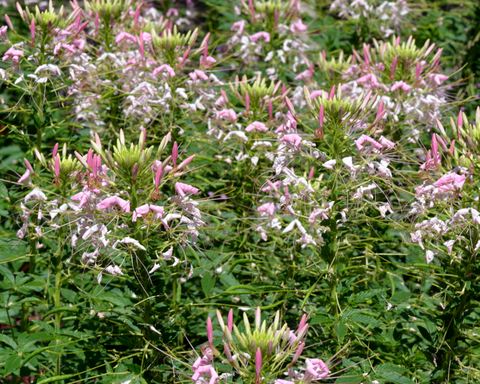 How well do you know your plants?
For the past few years I’ve posted a monthly bird quiz. I hope you’ve enjoyed the challenge. This morning, as I identified plant after plant for my GardenCompass.com clients, I suddenly wondered why I have never created a plant quiz—so I did. Now you too can experience the joys and frustrations of identifying random plants.
I’ve attempted to provide you with a realistic demonstration of what I do. Therefore, all I’m telling you is where the photo was taken. (The Garden Compass app has a GPS feature.) I’m responsible for answering questions from all the mountain states, from New Mexico and northern Arizona to Idaho, plus Nebraska and both Dakotas, but for this round, I stuck to plants seen in Colorado.
Too Much Zucchini 2.0
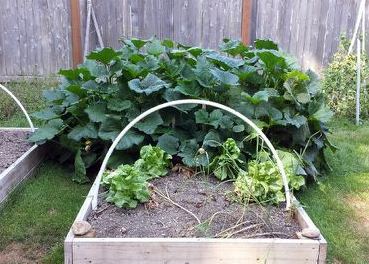 One of our daughters lives north of Seattle, where plants like to grow. She just called, all excited to tell me about her veggie garden. It seems that last year she planted six zucchini seeds, and none of them survived. She was a novice gardener and planted the seeds too deeply. Then, the local rabbit population gnawed off the two sprouts that managed to reach daylight.
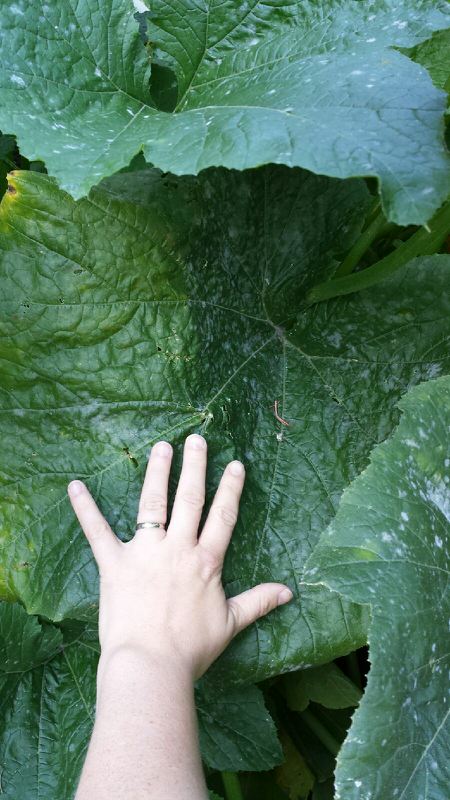 This year, a bit wiser, she decided to try again. There were a dozen seeds left in the packet. Assuming that she would get a similar germination rate as the previous summer—after all, these were old seeds, right?—she went ahead and planted all twelve seeds. Yes, twelve. Even better, she planted them six inches apart along the 4-foot wide end of her raised bed!
You guessed it. Ten of the twelve seeds sprouted and rapidly grew into vigorous, prolific squash plants. Did I mention that she only has a small, 4 x 8 foot raised bed? You can see her monster zucchini plants in these photos. (That is one huge zucchini leaf, and her hand for comparison!)
Blue Mist Spiraea
 Spring flowers have turned into berries and seed pods. Without their blossoms peonies are mere green bushes, and even the annuals are looking a bit peaked. Don’t despair, however. The show isn’t over yet. One of the best perennials (or small shrubs) for Colorado gardens is Caryopteris x clandoensis, more familiarly known as Bluebeard or Blue Mist Spiraea.
The latter common name can cause some confusion. Caryopteris isn’t a true spiraea. The “Blue Mist” part is spot on. The airy flowers in periwinkle blue really do seem to hover over the tips of the stems in a lovely cloud. The plants can reach two to three feet wide and tall. Foliage is a bluish gray-green, with long, soft, serrated leaves.
Botany for Gardeners: Photosynthesis (part 2)

(If you missed last week’s post about how photosynthesis works, you might want to read it now. I’ll refer to it below.)
As gardeners, we all want to grow healthy plants. Knowing what they need is helpful, but knowing why they need it is even better. Today I’m going to go over what plants need in order to feed themselves—and us. That’s what photosynthesis is for.
Botany for Gardeners: Photosynthesis
 If you ever took high school biology, you’ve heard about photosynthesis. You know that it’s the way a plant takes in sunlight and carbon dioxide and produces oxygen. You probably remember it has something to do with chlorophyll—the pigment that causes plants to be green. But how often have you considered photosynthesis since you passed your final exam that year?
Most people, even gardeners, take photosynthesis for granted. It’s just something plants do. But knowing a bit more about the process can help us have healthier gardens—more, tastier veggies, sweeter fruit, prettier flowers. How so? Let’s take a look.
What’s This Plant?
 What’s this plant? Gardeners aren’t the only ones who find themselves wanting to identify a particular flower or shrub. Hikers like to learn the names of wildflowers, new homeowners want their landscape labeled, and most of us just get curious at times. With my new job (answering plant-related questions, either identifying them or diagnosing a problem), I’ve been identifying a lot of plants lately (if you missed it, I’m now working for a gardening app), and I’ve learned some tips.
There are two approaches to plant ID. The easiest for a non-botanist involves noticing some eye-catching feature and then either flipping pages in a colorful field guide or searching the internet for that attribute. Most wildflower guides are arranged by color, simplifying this process.
Chihuly in the Gardens
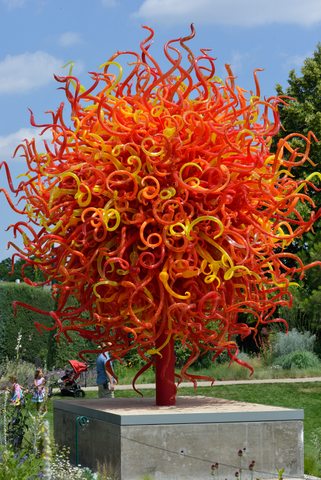 The Denver Botanic Gardens are worth a visit just because of the gorgeous flowers, the fascinating plants (I always discover new ones), and the inspiring color combinations. Now they’ve outdone themselves. From now through November, 2014, the blooms and water features provide a backdrop for Chihuly’s huge glass sculptures.
Dale Chihuly is a famous artist for good reason. He creates shapes out of glass that look as if they grew by themselves, probably underwater. Think jellyfish, or sea anemones. I’ve seen chandeliers composed of hundreds, of separate glass pieces all painstakingly fitted together into one organic whole. Incredible! You can see his work at museums all over the world.
 Mountain Plover