
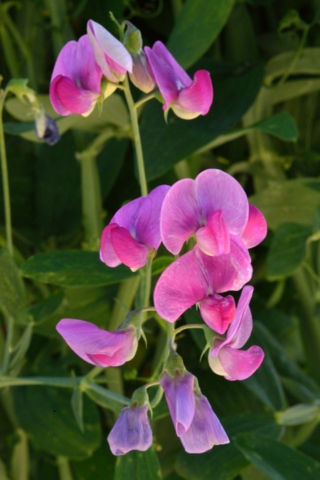
 When you plant a seed with a child, you never know what will grow. I have a vivid memory of sowing sweet pea seeds with my mother; I must have been all of three or four years old. We dug a trench against our back fence. Then my chubby fingers placed each seed exactly in its place. I can still close my eyes and see the lavender, pink, and white seeds, coated to indicate what color the flowers would be. Then we covered them up and I patted the dirt smooth. In a few months we had armfuls of fragrant blossoms filling vases all over the house. Growing those sweet peas turned me into a life-long gardener, and to this day they are my favorite flower. (more…)
Category: Seed Starting
Seeds to Sprouts
 In spite of the snowstorms this week, spring really is on its way. If you’re starting seeds indoors, it’s time to be sowing tomatoes, peppers, and other crops that take about eight weeks to reach transplant size. (Hold off on the cucumbers, squash, and melons—here in Colorado they should wait until early- to mid-May.)
Even if you’re waiting for warmer weather to plant, you may already have your seeds. Just think—that one little envelope might hold hundreds of zinnias or carrots, or thousands of zucchinis (at least)! How does something so innocent and seemingly lifeless turn into a magnificent flower or an overabundance of squash? How does that seed know to bide its time until it’s planted? What actually happens down there in the dirt?
Seeds for Colorado

I love getting seed catalogs in the mail. The flowers are so big and bright, and the veggies are worthy of blue ribbons. Everything looks absolutely perfect. Just order these seeds and you too can have results like this!
Except, we live in Colorado. There’s a very good reason most seed companies are situated in places like South Carolina, Pennsylvania, and Oregon, where the soil is fertile and the climate is conducive to growing most crops. With our erratic weather, often we don’t have time to ripen those luscious tomatoes. Long-season flowers freeze before they bloom. Isn’t there a seed company for us?
Yes, there is. Appropriately named High Altitude Gardens specializes in short season, cold-hardy varieties that thrive at higher elevations. If you live in the mountains, this is the seed catalog for you!
Season-long Harvests
 You’ve been hard at work all spring. First you started some seeds indoors, then you hardened them off so they will withstand the rigors of Colorado weather. You set your transplants in beds you carefully prepared with just the right amendments and fertilizers. Then you seeded some other crops (such as bush beans and squash) outdoors where they are to grow, and now you have cute little seedlings, putting out their first true leaves, on their way to providing you with some delicious eating.
Finally, it’s time to take a break, sit back, and snooze in your hammock (in between chores such as watering and weeding), and wait for your crops to mature.
Murdering Seedlings
 I’ve waiting all winter for spring to finally arrive (and it took forever this year). The garden was planned, veggie varieties were chosen, seeds were ordered. When the package arrived, the seed packets were sorted and stuffed into baggies to wait until May. With the first warmer days, I finally ventured outside, prepared my planting beds, hooked up the soaker hoses, and sowed those seeds. Then I misted them daily, lest they dry out and die. Weeds sprouted and were carefully extracted from the seed bed. Then, at last, the first tiny cotyledons showed above ground. My seeds were germinating!
And now you want me to pull half of them out? You must be crazy!
Patience Pays
 One thing I’ve learned (the hard way) is that it pays to be patient. Rushing the season usually results in cold-stunted plants, reduced yields, or, even worse, losing an entire crop to a late frost or snowstorm.
For example, most garden guides tell you to plant broccoli and other crucifers early—two weeks before your average last frost date—as the young plants can stand some frost. What they don’t tell you is that prolonged exposure to cold temperatures will ruin your chances for a harvest. Two to three days of temperatures that stay below 40 degrees will fool the seedlings into thinking they’ve experienced winter (can’t blame them a bit!). Instead of growing up and producing the nice, succulent head you’re anticipating, the broccoli will try to force the issue and “button.” That is, it will rush to bloom while still small, and all you get is a one-inch (or smaller) head with a bitter taste and tough texture. Bleah!
Taking Your Garden’s Temperature
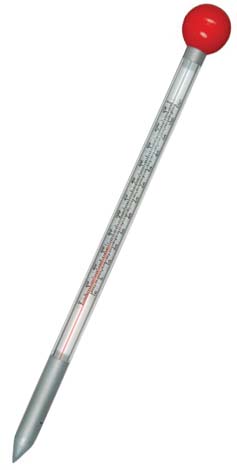 The calendar says late April, the weekend forecast is warm and sunny, but there’s still snow melting off the trees and loitering in the shadows. With our off-again, on-again spring, how can a gardener possibly know when to plant?
There’s no foolproof formula, but a soil thermometer can help take much of the guesswork out of gardening in Colorado.
Timing the Garden
 The calendar may say “Spring” but here in Colorado it’s still winter. Still, the first signs of spring are there if you look for them. Days are getting longer. Birds are wearing their courting feathers and breaking into spontaneous song. Buds are swelling on bare branches. And gardeners are reemerging from their winter hibernation.
Hopefully, you’ve already tested any stored seeds for viability, then placed your seed order or picked from the racks at your local garden center. When your packets arrive, store them in a cool, dry place. I like to sort mine into zip-lock baggies, then arrange the bags in a clear plastic shoebox. Colorado is naturally dry, but reusing the bags of desiccant that come in products such as new shoes and purses will help in more humid regions.
To Seed or Not to Seed?
 Gardeners seem to come in two varieties: those who buy seeds, and those who buy transplants. Which are you? Are you the do-it-yourselfer who prefers to start your plants from seed, nurturing each and every flower and vegetable from infancy? Or are you more the no-nonsense, practical type who figures that there’s no point in fussing when you can so easily purchase transplants? There are pros and cons to each approach.
Sowing Lunacy?
 Magazines are full of articles, the Farmer’s Almanac publishes a yearly calendar to guide you, and my niece swears it works. What is it that’s so popular in the garden world? It’s the age-old practice of planting according to the phases of the moon.
I’ve pretty much ignored moon planting charts, at least until now. It’s hard enough to find time to plant my garden without consulting a lunar calendar. With our Colorado weather, odds are that the “correct” planting date will either be too hot, too cold, too wet, or too windy—or I’d be getting pelted with hailstones, dodging lightning bolts, or brushing off snow… or all of the above!
 Mountain Plover