
 I recently ran across an article claiming that a penny can help your tomato plants fight off blight. Apparently, the reasoning goes like this:
- Copper is known to kill molds, algae, fungi, and microbes.
- Pennies are made out of copper.
- Therefore, inserting a penny into a tomato stem (or burying it at the roots) will keep your plant from succumbing to diseases caused by molds, algae, fungi, or microbes.
Since I’ve lost tomato plants to Early Blight, a common problem in Colorado, I’d love for this idea to work. I have some pennies lying around; let’s put them to good use, right?
Well, not really.

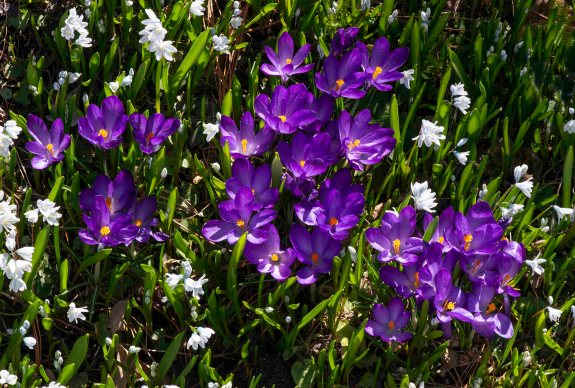
 As the seed catalogs pile up on my nightstand, the choices become overwhelming. It’s hard enough to choose which flowers and veggies to grow this coming year. But then there are page after page of cultivars to choose from.
 I’m still picking lots of veggies—tomatoes, eggplant, and peppers, squash, beans, chard, and herbs such as basil and parsley. Yet, fall starts in a few days and nights are already dipping into the 40s. That first frost can’t be far behind.


 You’ve put in the effort and grown your own juicy tomatoes. But when you finally go to pick them, you realize that the end opposite the stem is sunken and oozing. Yuck—it’s disgusting. Who wants to eat a tomato that’s rotting on the vine?
 I sat munching my seedless grapes, enjoying the sweet juices. I bit one in half, and focused on the tiny, immature lumps that would have been seeds in another variety. I’ve always taken seedless grapes for granted, but now I wondered—why didn’t the seeds develop in this cultivar? It clearly goes against a plant’s nature to grow fruit without seeds.
 Corn pudding and hush puppies, cornbread stuffing and succotash. If anything qualifies as authentic American cooking, it surely involves corn. We eat it fresh—still on the cob, creamed, and as the critical ingredient in corn chowder. We eat it dried and ground into cornmeal—in corn pone and muffins, as fritters and johnnycake. Domesticated for millennia, corn has come a long way from its teosinte roots.
 Mountain Plover