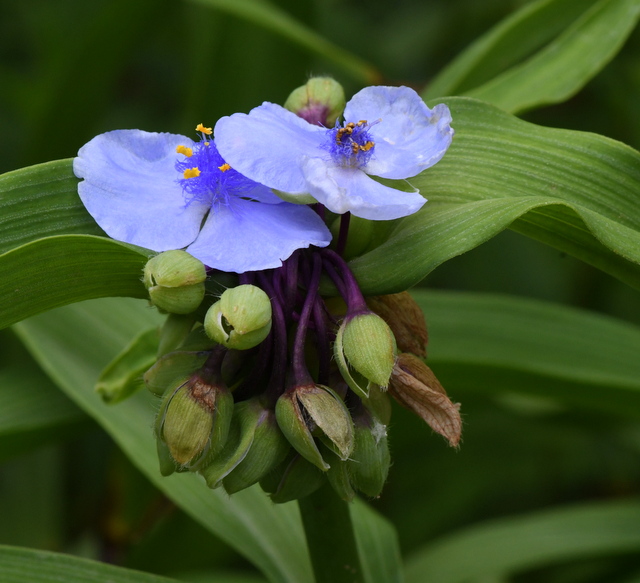
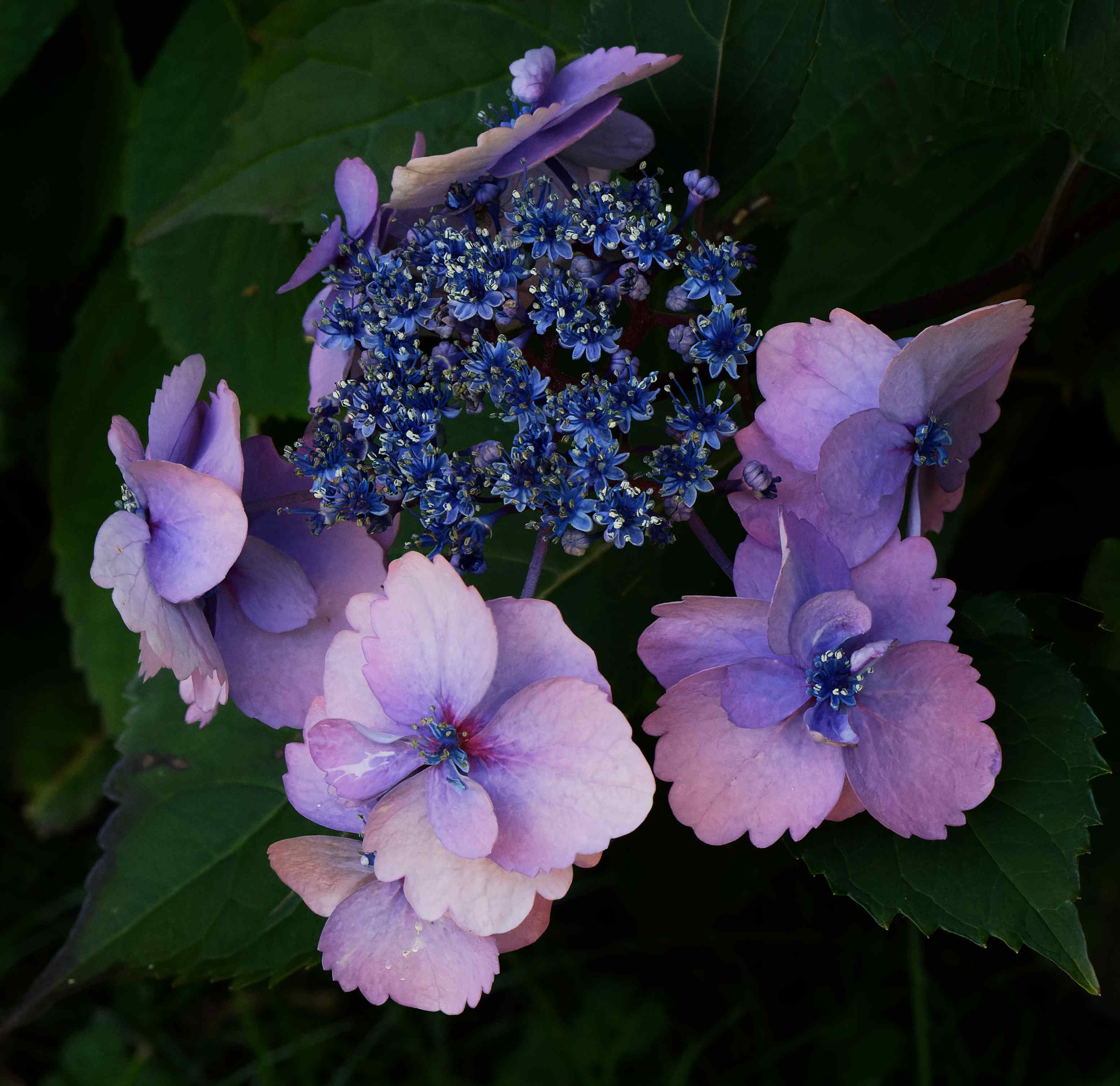
If you’ve seen the hype (or have a daughter who’s a graphic designer), you know by now that the Pantone Color of the Year is Classic Blue. The Pantone Color Institute offers an explanation for their choice:

If you’ve seen the hype (or have a daughter who’s a graphic designer), you know by now that the Pantone Color of the Year is Classic Blue. The Pantone Color Institute offers an explanation for their choice:

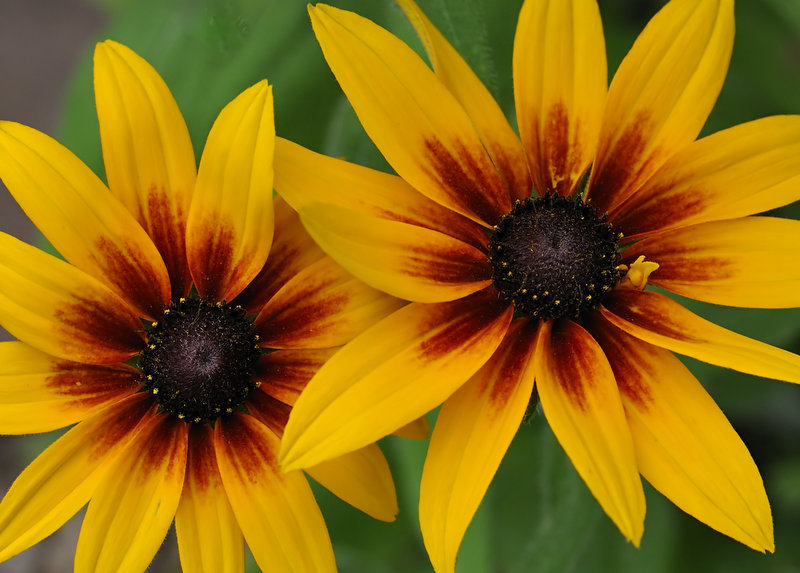
It’s January, but my brain is in July. I need to imagine warm breezes, green leaves, and most of all, bright flowers. And what is more reminiscent of a hot, summer day than a bright yellow sunflower? When we think of sunflowers, the image that comes to mind is a large brown disk surrounded by brilliant, sunny petals, kind of like this: (more…)

I have a tendency to be a fair-weather birder. Give me warm, sunny days, balmy breezes, and sparkling blue ponds and lakes. Trees are full of leaves, bugs, and birds. With all the summer migrants in town, trip lists run long. Singing males are easier to spot, and the rituals of mating and raising young, offering additional opportunities for the wildlife photographer.
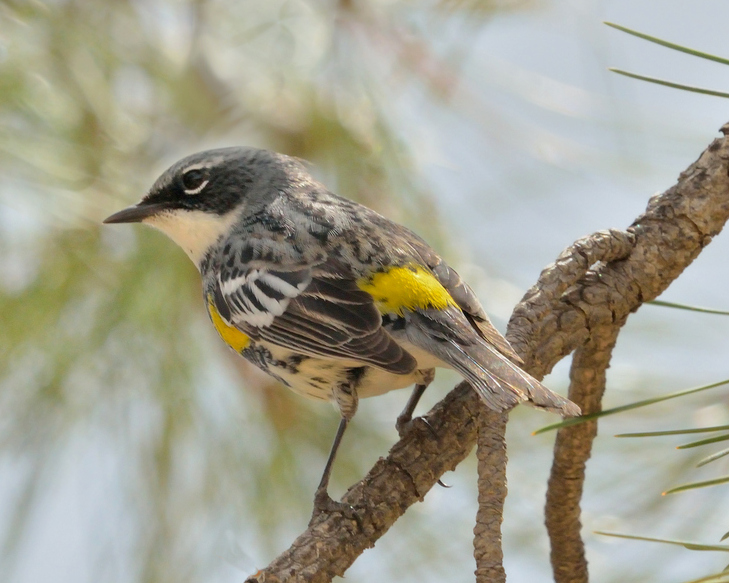
It has taken me a long time to appreciate winter birding. Temperatures dip below freezing and it may snow. Roads can be treacherous, providing unwanted excitement just getting to the birding destination. Many birds have heeded to call to migrate, and those left behind tend to be drab, matching the winter landscape. And then there’s the silence. I hear no songs, not even much chirping. Yes, there are birds out there, but where?
And yet…
Last week’s garden post was devoted to All America Selections, a nation-wide program that highlights new cultivars most likely to succeed in your garden, no matter which part of the country you live in. Surprisingly, it seems to work for Colorado. But there’s an even better “seal of approval” for Colorado gardeners to look for, at least when it comes to shrubs and perennials: PlantSelect®.
As the seed catalogs pile up on my nightstand, the choices become overwhelming. It’s hard enough to choose which flowers and veggies to grow this coming year. But then there are page after page of cultivars to choose from.
This isn’t a new problem. As is true today, the 1930s was a time when plant breeders were creating a lot of “improved” flower and vegetable cultivars. Were they really better than the old standards? With all the new choices, how could home gardeners know which were the best? (more…)
Is it a Christmas cactus or a Thanksgiving cactus… or perhaps an Easter cactus? If you’ve always wondered which is which, here’s the best explanation I’ve seen yet. It’s accurate (as I would expect), funny, and a thoroughly enjoyable read. I thought, why try to rewrite this and mess with perfection? I found this article on my favorite gardening blog, that of the Garden Professors.
And if you’re wondering how to get these babies to rebloom every year, see my post from 2009, “Christmas Cactus (Schlumbergera sp.).”

I can guarantee that you are familiar with at least one member of the plant family Euphorbiaceae. Especially at this time of year, we decorate our halls not just with boughs of holly, but with Poinsettias. Typically bright red, you can now purchase plants with flowers in shades of white and peach, and even a variegated combination.

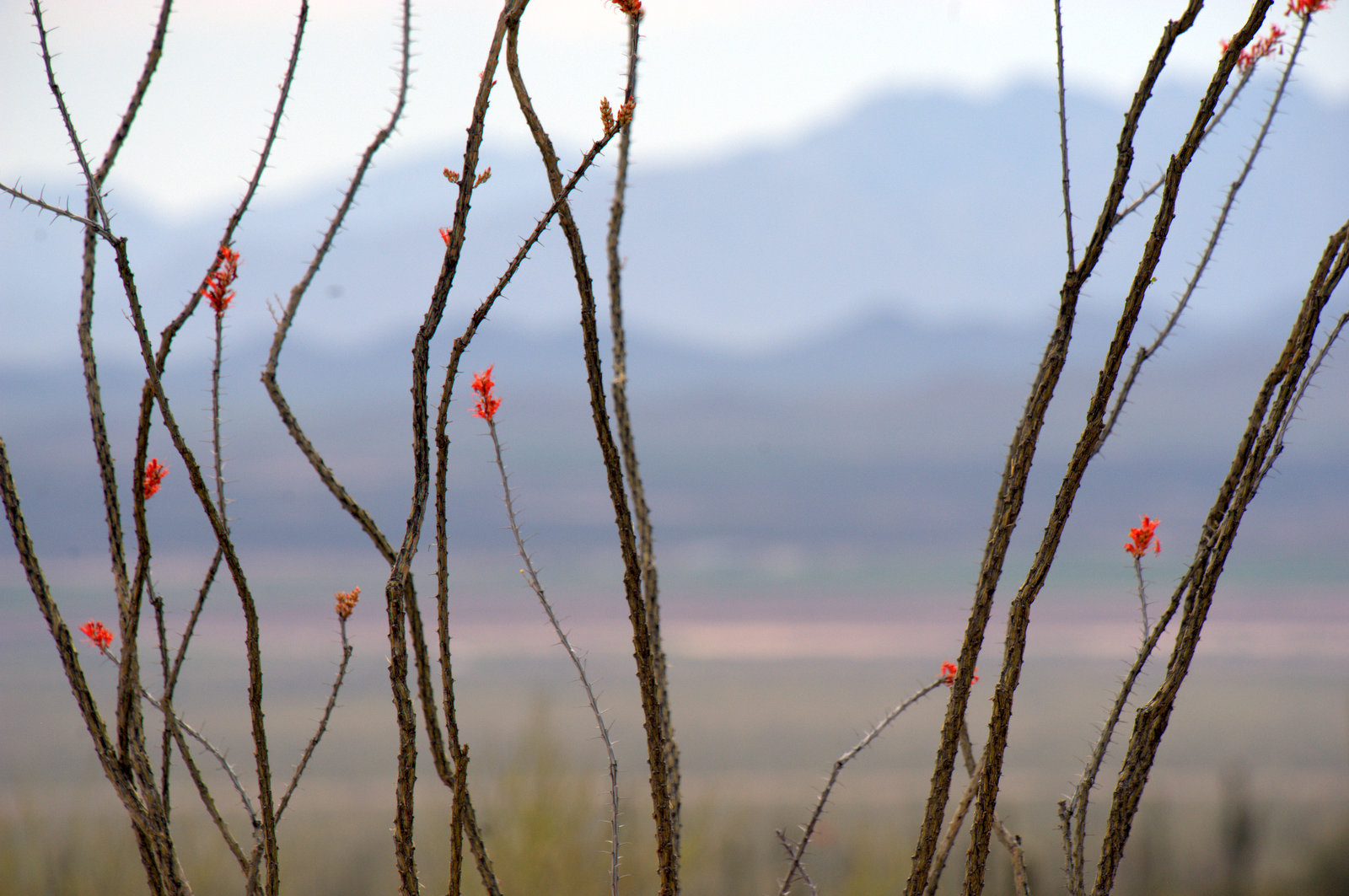
It’s only November, but when it comes to gardening in a cold weather climate, it may as well be winter. From the first sudden freeze, now months ago, the leaves have been brown. For those of us who have gardened in more mild conditions, we crave green, especially evergreen shrubs, but the choices are severely limited. There are the ubiquitous junipers and other dwarf conifers. Yuccas. Firethorn (Pyracantha). Perhaps some Oregon Grape Holly (Mahonia) if you have a sheltered spot so the leaves can avoid desiccation. Even my supposedly evergreen Cotoneaster is brown. But there’s one often-overlooked shrub that stays green all winter—even if it doesn’t exactly have noticeable leaves.

Who doesn’t like marshmallows? Floating in your cocoa, shaped into a peep, or toasted over a campfire and smashed into a s’more, we all love the squidgy sweetness. I have always wondered where the name came from. What’s a mallow, and what is it doing in a marsh?
Turns out, Malvaceae is yet another family of plants, and one that most gardeners will recognize.
Q: What has ears but cannot hear?
A: A field of corn.
Q: Why is corn such a good listener?
A: Because it’s all ears!
Q: Why shouldn’t you tell secrets on a farm?
A: Because the potatoes have eyes, the corn has ears, and the beans stalk.
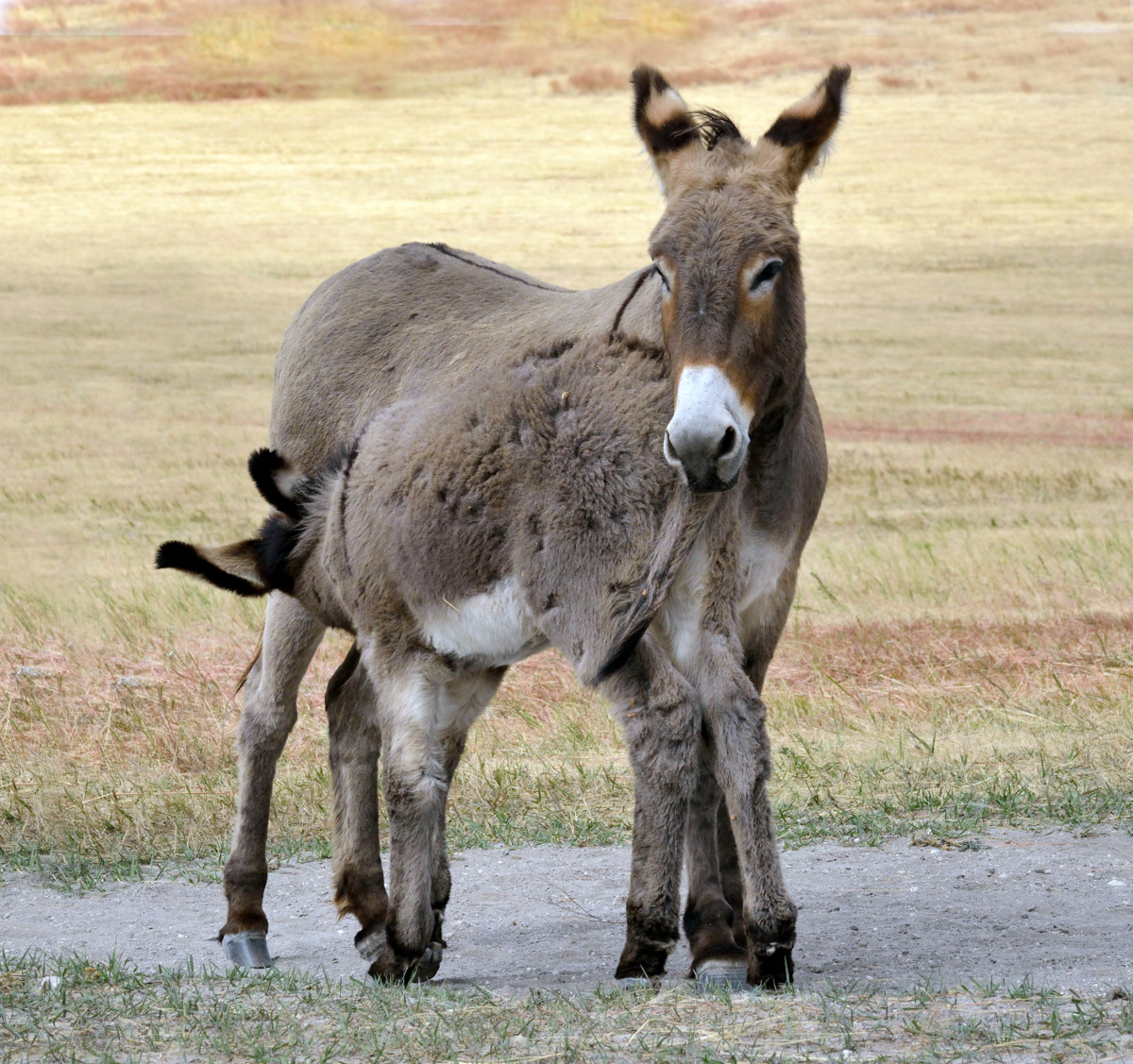
Are you groaning yet? We make (bad) jokes about ears of corn, but it appears that plants might really have ears.