
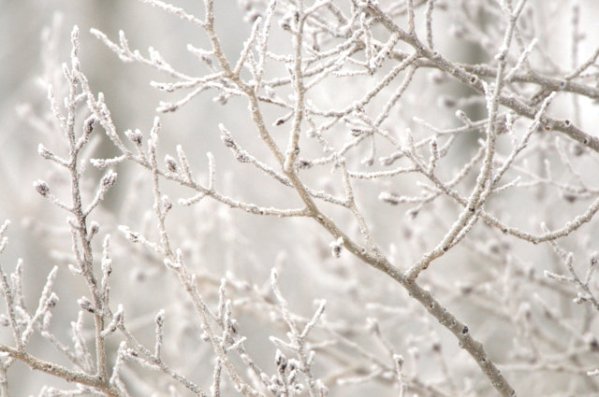
 There’s still plenty of cold and snow to go around, but the faintest signs of spring are beginning to appear. Gazing out a friend’s window this week, I was enjoying the view when I noticed that the uppermost branches of the nearby ash trees didn’t appear quite smooth. A few weeks ago they looked as if they were tightly hugging themselves. Now—could those be buds swelling?
Category: Plants
My Annual Mid-winter Attitude Check
I love wintertime. I love the snow, the icicles, and even the subzero temperatures (probably because we so seldom get them). Having grown up in the monotonous weather of southern California, I think winter is amazing, even after 25 years in Colorado.
However… sometimes we just get too much winter. Not in quality—Colorado winters are milder than one might suspect—but in the quantity of days when winter is likely. We’ve experienced a hard frost and snow as early as September 8 and as late as mid-June. I like winter—but I like summer too!
Gear for Garden Photography
 If you read last month’s post, you now know why you’re taking garden photos. The next question is, what kind of camera do you need? Cameras range from simple point-and-shoot models to the camera in your phone to professional DSLRs. While there’s a lot of truth that you get what you pay for, all of them take photos.
At least to start with, use the camera you have. Yes, you’ll have more creative latitude with extra lenses, camera features, and other equipment, but keep in mind that most important part of the process is the photographer. (more…)
In Praise of Petunias

Mention petunias among a group of passionate gardeners and you often get sneers. After all, they’re so… common! Even non-gardeners grow petunias. Those with greener thumbs usually aspire to more exotic flowers. But there’s a reason petunias are so popular among the casual gardening crowd. In fact, there are a number of reasons.
Volunteer Park Conservatory
 I just spent two weeks in western Washington visiting my daughter and her family—two weeks of giggles, bedtime stories, and stomping in the puddles left by Seattle’s incessant rain. While my focus was on our granddaughters, I couldn’t help but feast my soul on all the green—in mid-winter! Broadleaf evergreens such as rhododendrons, still-verdant lawns, even the emerald moss on the roof were all a welcome respite from Colorado’s winter browns. The only problem was that I had to get wet to enjoy it all. That’s why we planned a visit to the Volunteer Park Conservatory, located on Capitol Hill in Seattle.
Ferns Having Babies
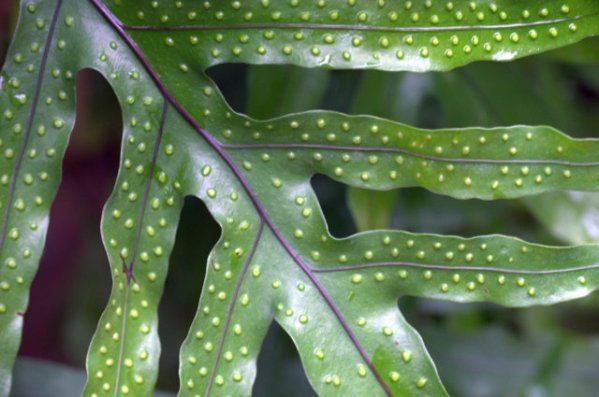
“There’s something wrong with my fern! It has dots all over the leaves. It must be some sort of disease! What should I spray it with?”
I was sitting at our county extension’s Master Gardener Help Desk, answering questions when the call came in. The caller was quite agitated, afraid that her prize fern was on the verge of passing into the great garden in the sky. It took me some time to calm her down and explain that those black dots, neatly lined up in rows, were in fact a sign of health, and that her fern was not only thriving, but was on the brink of parenthood. Yes, those little bumps contained a zillion baby ferns, so to speak, in the form of spores.
The Purpose-Driven Photo
 Perhaps you want to hang a huge framed photo of your prize roses over the couch. Or maybe you see some striking flowers in someone else’s garden, and you want to grow them at home—but you don’t know what they are. Maybe you simply want to record where you plant your tulips this fall, so you don’t bury them under a new perennial come spring. I’ve taken photos for all of these reasons and more.
Perhaps the first and most important consideration when it comes to garden photography is to make clear in your mind just why you’re taking a particular photo. If you don’t have a specific goal, it’s very difficult to accomplish it!
Moth Orchids

With the holidays behind us, winter seems to stretch out as far as we can see. I don’t know about you, but I’m more than ready for a tropical vacation! We can’t afford tickets to a balmy beach or verdant rainforest, but I can manage to plunk down a mere $19.95—or less—for a blooming orchid. My imagination will have to supply the rest.
Anticipating Spring
 Sometimes I think January is my favorite month of the gardening calendar. Temperatures plummet and the ground is frozen solid. Anything at all frost-tender succumbed to the cold months ago. My raised beds look suspiciously like burial vaults covered in mulch. Yet, in my mind’s eye, my 2018 veggie garden is flourishing.
You see, I’ve been reading seed catalogs.
Save the Poinsettias!
I’ve been down with the crud that has been going around. Luckily, I don’t have to come up with an inspirational year-end post; the Utah State University Cooperative Extension has done the job for me. I urge you to watch their short video on the torture and destruction of post-Christmas poinsettias. Then take action. Please.
 Mountain Plover