

A weed is…
- a wild plant growing where it is not wanted and in competition with cultivated plants.
- a plant that is not valued where it is growing and is usually of vigorous growth especially : one that tends to overgrow or choke out more desirable plants.
- a plant considered undesirable in a particular situation, “a plant in the wrong place.”
I subscribe to a variety of online gardening groups, mostly on Facebook. Lately there has been a lot of ranting discussion about whether or not dandelions are weeds. On the one hand, various gardeners are asking for help controlling dandelions in their lawns and gardens, often to please a landlord. On the other hand, various opinionated persons climb onto their soapboxes and extol the virtues of dandelion leaves, wine, and bee-friendly flowers, chastising anyone who would dare to disagree. (more…)
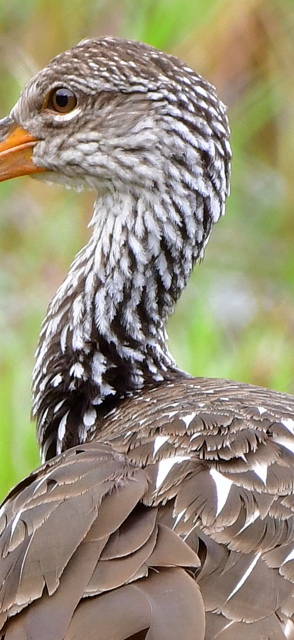
 The answer to last week’s quiz is… Limpkin. Did you recognize it? I almost didn’t!


 Birders spend a lot of time looking in trees. Of course, we’re hoping to see birds, and often we do. But birds aren’t the only animals that live in trees. And, while I get a thrill spotting a less-than-common bird among the branches, I also get rather excited when it’s a less-than-common mammal—or other creature.
 Besides the birds, what do I see in trees? Squirrels! It’s a rare birding trip when we don’t spot at least a couple of squirrels, and typically there are plenty more. Here in the Colorado Springs area, by far the most common species is the Eastern fox squirrel, which some
  You’ve put in the effort and grown your own juicy tomatoes. But when you finally go to pick them, you realize that the end opposite the stem is sunken and oozing. Yuck—it’s disgusting. Who wants to eat a tomato that’s rotting on the vine?
 A few weeks ago, a friend arrived for dinner bearing a potted plant covered with the most amazing orange flowers. It was supposed to be a gift for my husband, who had recently spent 12 days in the hospital (you can read about that on my
  Mountain Plover