
 My pole beans, which got a rather late start, are finally climbing their way up the strings on my bean tower. I’m always impressed that the plants know just what to do. Those reaching tendrils that come into contact with the string immediate start to coil around it, securing themselves to the support. A few plants were still free, waving in the light breeze. I tucked them between the two strands of twine, so they too could wind their way upward.
A few rows over, my pea vines have their tendrils securely wrapped around the netting I put up for them. We all know that pole beans climb and pea tendrils wrap, but I wondered how they knew to do so. After all, most plants don’t have this ability.


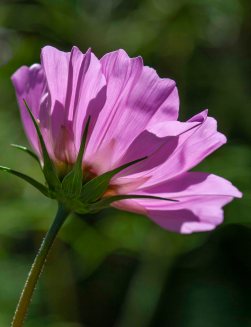 Do you enjoy big flowers with bright, showy colors and carefree maintenance? It’s hard to beat annuals for season-long impact. Whenever I think of annuals, I immediately think of cosmos, one of the very best annuals for Colorado gardens.
 While Black-capped Chickadees are familiar birds over the northern half of North America, Mountain Chickadees are a western specialty. True to their name, they care found at higher elevations from the Rockies westward to the Sierras and Cascades, and as far north as the Yukon.


 One aspect of nature I appreciate is its constancy. No matter who gets elected, a rose is still a rose. Whether I’m happy or sad, a moose remains a moose. The world can fall apart, but a jay is still a jay. Or not.
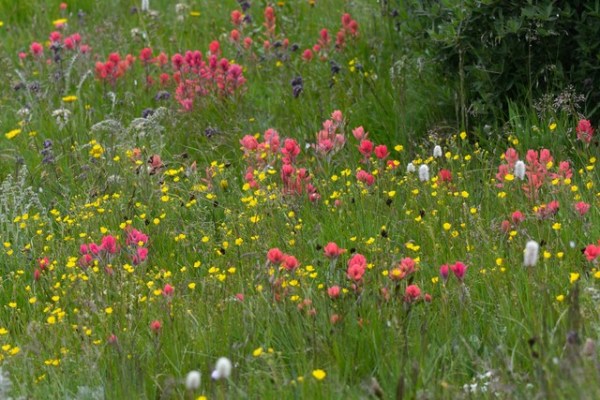
 Where did the wildflowers go? It was the end of June, and we were making our annual pilgrimage along the trail through Emerald Valley, on the slopes of Pikes Peak. This time we weren’t just looking for birds, but for blooms and bugs as well—in fact, the birds were the least of our priorities. There were bugs, especially as the day warmed, and we saw some excellent birds, but where were the flowers?
