
I first posted this about ten years ago. Since my husband had unexpected bypass surgery today, I don’t have the time (or the concentration!) to write a new post. I hope you find this flashback to be a helpful reminder as we start our seeds for the upcoming growing season.

Raise your hand if you remember starting seeds in elementary school. Perhaps they sprouted in the cells of a cardboard egg carton. Sound familiar? Now, did your seedlings grow and thrive? Hmm, thought so. Granted, you probably forgot to water them, or you dropped the whole shebang on the way home from school. But it wasn’t all your fault. Egg cartons make awful seed starting containers.
What should you use to start those little seedlings? There are a number of excellent choices. Suitable containers share several attributes.
 Today’s post is a simple reminder to gardeners hoping to grow something new and exciting. As gardeners, we’re always tempted by a special cultivar that is unusual, a bit out of the ordinary. Why else the hunt for black flowers—roses, or petunias—especially when the colors they do come in are so much prettier? I have a friend who paid a considerable sum for a yellow peony—just because most peonies are white, pink, or red.
 Gardeners, especially those in short-season areas, will do almost anything to get a jump on the growing season. Pre-germinating your seeds is one excellent way to speed up the sometimes tedious wait for sprouting seedlings. At my daughter’s request, I’m re-posting this article that originally ran back in 2009. I wrote it for vegetable gardeners, but it could work just as well for many flower seeds.
 It was a lovely hike, even if the plants were all still dormant. Coming back to the car, I bent over to unlace my hiking boots, only to discover that my laces were a solid mass of stickers—graceful foxtails, round burrs, and what looked like exceptionally tenacious Velcro. As I worked the knots loose while trying to protect my fingers, I was once again impressed by how capable plants are at getting around. Their lack of legs doesn’t slow them down at all!
 Sometimes I think January is my favorite month of the gardening calendar. Temperatures plummet and the ground is frozen solid. Anything at all frost-tender succumbed to the cold months ago. My raised beds look suspiciously like burial vaults covered in mulch. Yet, in my mind’s eye, my 2018 veggie garden is flourishing.
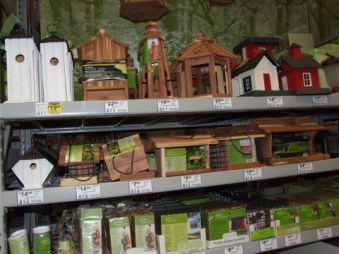 There are about a zillion bird feeders on the market. They come in a huge variety of shapes and sizes. They’re made from anything from plastic to wood to gleaming copper. Some hang from supports or tree branches, others perch on posts, attach to deck railings, or are anchored at ground level. Some feeders are designed to attract squirrels and others claim to exclude them. There are feeders to match every kind of seed, from tiny nyjer to peanuts in the shell, plus specialized feeders for corn cobs, suet, meal worms, jelly, fruit halves, and sugar water. With so many to choose from, how can one possibly decide which is the perfect feeder to buy?
  While we haven’t had a hard freeze yet, the lack of warm sunshine is telling my plants that the season is about over. Poppy seedheads act like salt shakers—just invert and shake out the seeds. We missed harvesting some pole beans and they’re now overripe, the pods puffy and enlarged. I’m letting them dry on the vine.
 For an avid gardener, January can be a difficult time of year. Sure, we can dream. The seed catalogs that have been arriving for a month now are filled with post-it notes, dog-eared corners, and bright yellow highlights. At the same time, I’ve decided and re-decided (at least a dozen times) where I’m going to plant each seedling once the weather warms. I love the optimism of dreaming, but sometimes I just want to get my fingers into some soil—even if the “soil” came out of a bag of potting mix.
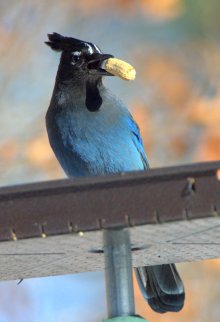 The birdfeeder had been up for weeks, but no birds came to dine. My friend was understandably frustrated. “Why won’t the birds come to my yard?” she asked. “I spent all this money on a feeder and birdseed, but they don’t seem to care!”
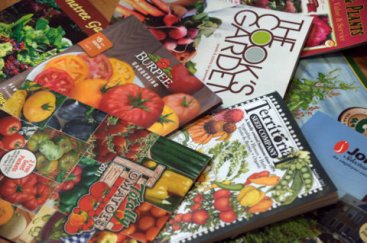 January. The start of a new year. The start of a new garden. As I contemplate my empty veggie beds, I feel like a race car driver waiting at the starting line. “Gentlemen (gentlewomen?), start your engines!”
 Mountain Plover