
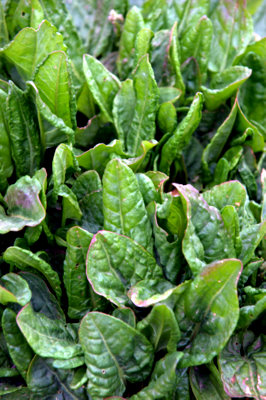
 True confessions… I am allergic to spinach. Very sad, I know. So, I don’t grow it. Everything I’m about to tell you about spinach cultivation I learned from such wise gardeners as David Whiting, Colorado State University professor and State Coordinator for the Colorado Master Gardener Program, and Diane E. Bilderback, one of my favorite garden writers (and, along with Dorothy Hinshaw Patent, author of my favorite veggie gardening book, Garden Secrets).
The first tricky thing about spinach is when to plant it. Being extremely day-length sensitive, it is sure to bolt when it receives 14 or more hour of daylight per day. You can squeeze in a crop as soon as the weather is warm enough (and thankfully, spinach is relatively hardy), or wait until days are getting shorter again and plant for a fall harvest.

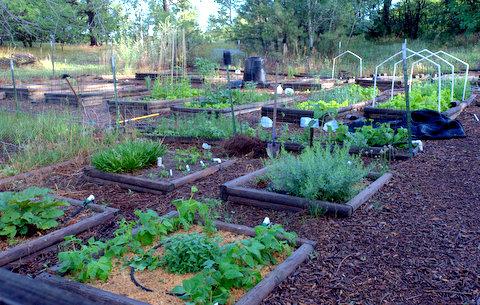
 Seed catalogs are beginning to arrive in our mailboxes. With all the brightly colored photos of perfect vegetables and flowers, it’s tempting to order one (or more!) of each. Most of us, however, have limited garden space. We need to make some hard decisions.
 It’s time to clean out the chicken coop. All summer my little flock has been happily picking weed and grass seeds out of the straw I spread in their coop last spring. At the same time, they’ve broken down the big pieces of grass stem into finer shreds. And, best of all, they’re balanced all that carbon with some nice, hot chicken manure.
 I love salads. Wash and tear some crisp, homegrown lettuce. Add a few sprouts, some mizuna leaves (mizuna grows exceptionally well in my garden) and other greens. Slice up some green onions, cucumbers and tomatoes, throw in a few flowers, and whisk together a light vinaigrette to pour over the top. Toss it all together, and yum!
 I’d just given a two hour talk on high altitude vegetable gardening, and a crowd of people surrounded me, anxious to ask questions.
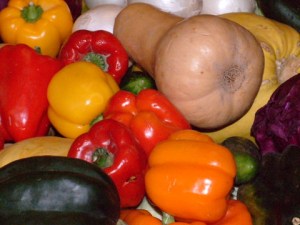 Your seed catalogs are well-thumbed by now. You have all your favorite varieties flagged, along with some new offerings you’re eager to try. After months of indoor weather, the gardening urge is looming large. It’s tempting to go overboard, and order every seed listed. Making a vegetable garden plan will help keep your cravings in proportion to your needs.
 Mountain Plover