Yet More Bugs…

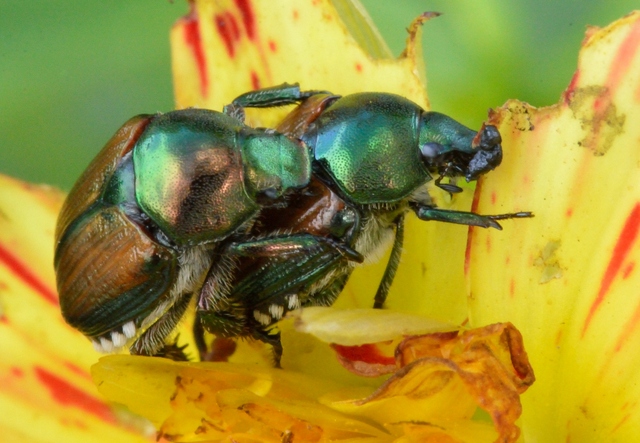
Popillia japonica_Japanese Beetle_HudsonGardens-CO_LAH_5585It’s the end of the summer, and what’s a nature photographer to do? Most flowers are languishing in the sultry heat, their leaves brown and crispy as the summer monsoon turns to dry autumn. Gardens look battered from a season of hail storms, insects, and the ravages of sun and wind. The birds have had their families, so the males no longer need to impress the ladies, at least for a while. In many cases, they’ve shed their fancy duds in favor of muted colors that predators won’t notice. This year’s crop of youngsters is also hoping to be overlooked, with tan stripes that blend with the fading grass. Some of the most photogenic birds—tanagers and warblers, for instance, are already wending their way southward.

As I learned on Monday, however, this is a great time of year for bugs.

(more…)

Ditch this Dame

Worth growing for its delicious ­­­­­­fra­grance­ alone, dame’s rocket also offers showy, long-lasting flowers and is as trouble-free an herb as you could ask for. Its multitude of common names attests to centuries of cultivation in gardens and to the high regard in which it has been held. (Mother Earth Living)

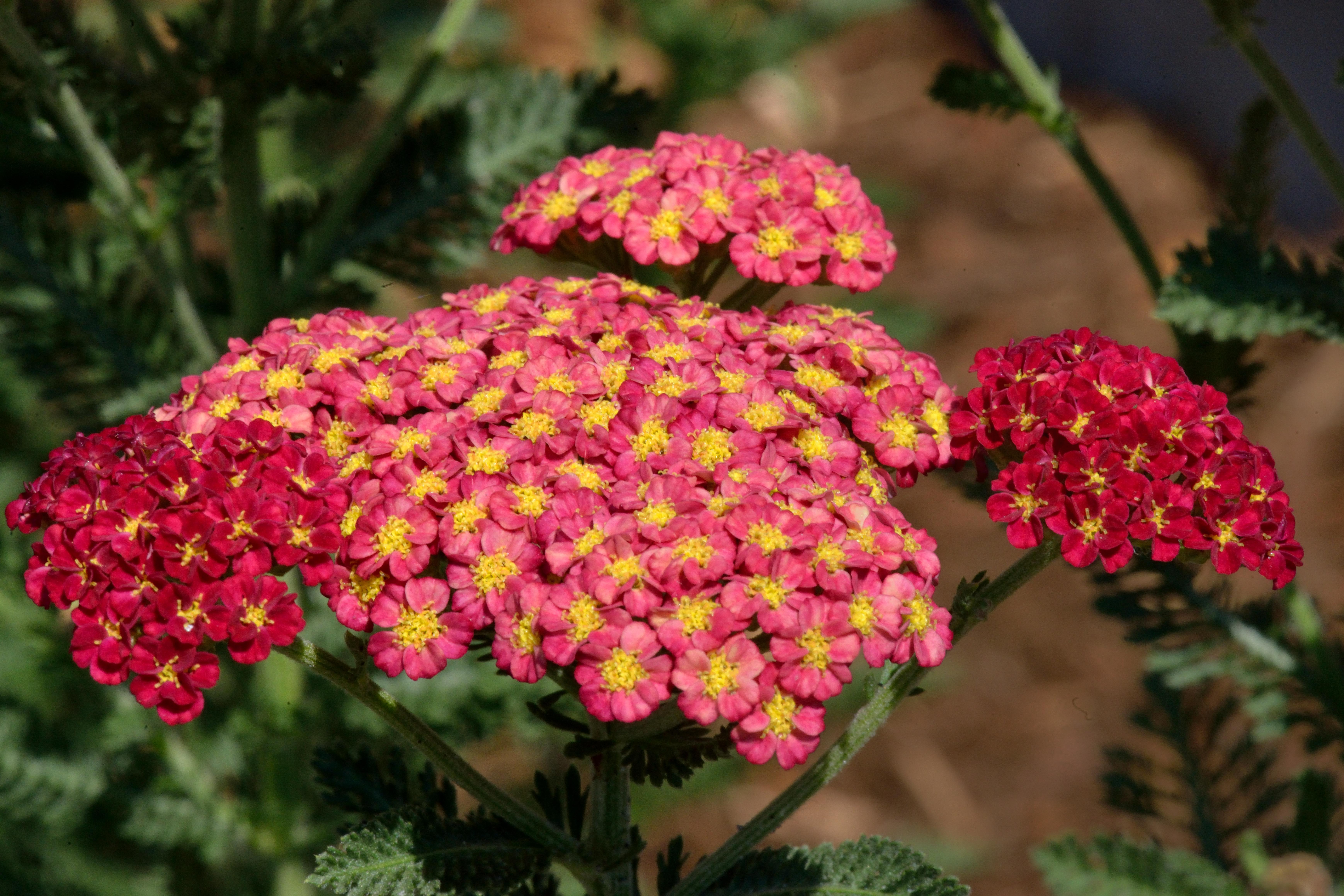
Hesperis matronalis_Dame's Rocket_ColoSpgs-CO_LAH_7355How can you resist such a glowing recommendation? It’s true that dame’s rocket is all these things, but it is also an invasive outlaw, wanted dead, not alive. Like any most-wanted suspect, Hesperis matronalis hides under a plethora of aliases: damask violet, dame’s-violet, dames-wort, dame’s gilliflower, night-scented gilliflower, queen’s gilliflower, rogue’s gilliflower, summer lilac, sweet rocket, mother-of-the-evening, vesper flower and winter gilliflower, to name a few. But not matter what you call it, it’s against the law to grow this plant in Colorado.*

(more…)

A Visit from a Covey

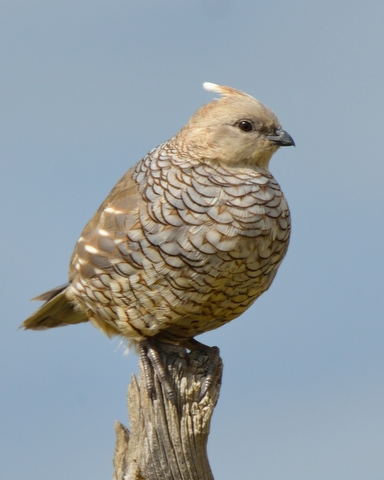
Scaled Quail_ChicoBasinRanch-CO_LAH_3016I have a new yard bird! Having only lived in this house since May, adding a new species to my yard list isn’t normally that big a deal. In fact, the previous entry (last week) was Eurasian Collared-dove. Big whoopee. But this new species got me so excited I went running around the house, texting all my birding friends. (Can you tell I haven’t been out birding in far too long?)

Yes, I glanced out at the feeder late one afternoon and spotted a small covey of Scaled Quail! In my yard! They were happily pecking through the shredded bark mulch looking for millet seeds that had fallen from the feeder overhead.

(more…)

Bird Photography: Balance & Color

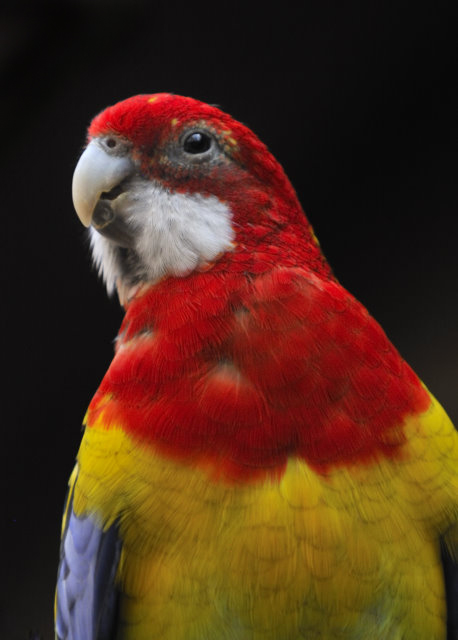
Eastern Rosella Parrot_CheyenneMtnZoo-CO_LAH_4110As I mentioned last month, if we want our photography to look like art, we need to study art. I find that the more I learn about composition and design, the better my pictures turn out. Here are a few more things to consider when looking through your viewfinder.

Balance
Objects in a photograph have visual weight to them. Imagine that your photo is a seesaw, supported by a point in the middle. For example, a large, black crow to the right of the picture will tend to pull that side downward unless balanced by something else on the left side. Just as with actual weights, two or three smaller objects can balance one big one. Most pleasing pictures are visually balanced. Remember that a large open space can also have weight, so you don’t need clutter your composition. (more…)

A Garden for Good Bugs

Monarch Butterfly_ChicoBasinRanch-CO_LAH_8874Why would I want to invite insects into my garden? Don’t most homeowners want to get rid of the bugs? It’s true that some insects cause major problems in a landscape, chewing indiscriminately and leaving behind a trail of devastation. But don’t let a few bad guys ruin it for everyone—there are plenty of insects who can live harmoniously among our plants. Some, such as bees, more than earn their keep. And who doesn’t enjoy a garden full of butterflies?

(more…)