
 Someone left the screen door open, and suddenly our house is full of annoying, buzzing, flies. They circle the kitchen while I’m cooking, tangle with my hair while I’m sitting at my computer, and zoom past my Kindle when I’m reading in the evening. I have to ask, did we really have to have flies, God?
Month: August 2018
Magee in August
 Sometimes you take a birding trip and it’s everything you ever dreamed about. Our time in Australia two years ago was like that. And sometimes, you try your hardest and things just don’t work out the way you anticipate, such as the trip we took exactly one year ago. Pete had arranged a series of work-related meetings in Michigan and Ontario, and I had never been there, so we decided to make a vacation out of it and drive around the Great Lakes. In the process, I visited my last four states, culminating in North Dakota as number 50.
Plant Photography: Color
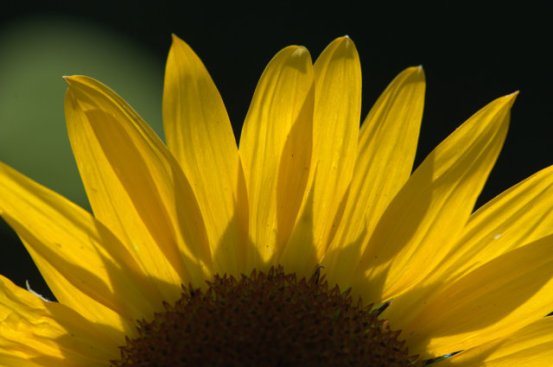
My final post on photographing plants, in all their forms, deals with one of my favorite aspects of photography—color. My dad was an avid photographer as well, but he preferred to shoot a medium format camera loaded with black and white film. Then he’d disappear into his darkroom and spend hours dodging and burning, doing his best to emulate Ansel Adams.
Me? I want color, and the more, the better. Happily, gardens are colorful places.
Do You Hear What I Hear?
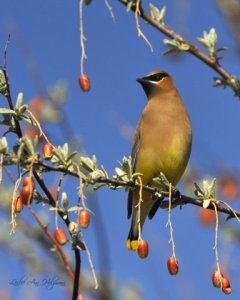 I was wandering through the forest in western Washington when I heard a series of high-pitched, whistling bird calls. As I peered into the foliage, I finally made out the Cedar Waxwings that were making the sound. Another time, I was in southern Texas, along the Rio Grande border. Again, I heard birds singling some very high notes. In this case, they were followed by a series of lower notes and a distinctive two-tone call. I realized that I was surrounded by a number of Ruby-crowned Kinglets.
Here’s to Hollyhocks
 How do you like your flowers? Do you grow annuals? You have to replant them every year, but they grow quickly and bloom all season. Then they die with the first freeze. Or perhaps you prefer perennials. They continue from year to year, dying back to their roots in winter, then re-sprouting to bloom again. Their bloom season is short—some only bloom for a couple of weeks, others hang on for a month at best. In all the fuss over perennials vs. annuals, one category of flowers often gets overlooked—the biennials.
Biennials take one growing season to reach blooming size, then overwinter to bloom the following year. Once they bloom, they die, leaving plenty of seeds behind to ensure their replacements. If you plant them two years in a row, you’ll never be without. Yes, you have to put up with plants that don’t blossom that first year, but they earn their keep by the show they put on the next.
In Memory of Motswari
 Colorado Springs gets a lot of hail. Anyone who has lived here very long knows that hail is part of life. But in the 25 years we’ve called Colorado home, we’ve never seen a summer like this one. Three times in the past three months, the south end of town has been pummeled by huge hailstones— softball-sized cannonballs from the clouds that demolished anything in their path. Gardens, cars, roofs, windows—the damage is devastating.
Sadly, the most recent storm also injured dozens of people, some seriously enough to be hospitalized, and killed five animals at the renowned Cheyenne Mountain Zoo. Today’s memorial post is dedicated to Cape Vulture (aka Cape Griffon) Motswari, an ambassador for her species and for vultures worldwide. (more…)
August Bird Quiz: Uncropped Photo
If you were stymied on Monday, now can you name this bird? The photo was taken in Arizona in May. The answer will appear at the end of next Monday’s post.

A Garden Like Mine
 I love to visit botanic gardens (look for my previous posts under the category Gardening: Gardens). In addition to enjoying the beauty of these places, they also provide ideas for my own landscape. Denver’s is one of the best, and many of the plants there will grow happily 2,000 feet higher. But many won’t. The Betty Ford Alpine Garden, in Vail, is another lovely spot, but that garden features plants that only thrive in the mountains, where they enjoy exceptionally well-drained gravelly soils and cooler days. Yes, there are several demonstration gardens here in Colorado Springs, and I’m well acquainted with what they have to offer. But perhaps I’m too well acquainted. I need inspiration that I can apply at home.
 This summer, I found a botanic garden with growing conditions just like mine. In just five acres, the Yampa River Botanic Park, in Steamboat Springs, offers all the inspiration I could ask for. And since it’s situated at 6,800 feet, what grows there will grow for me, too.
August Bird Quiz
Can you identify this bird? The photo was taken in Arizona during the month of May. The answer will appear next week.

Thigmo-what?
 My pole beans, which got a rather late start, are finally climbing their way up the strings on my bean tower. I’m always impressed that the plants know just what to do. Those reaching tendrils that come into contact with the string immediate start to coil around it, securing themselves to the support. A few plants were still free, waving in the light breeze. I tucked them between the two strands of twine, so they too could wind their way upward.
A few rows over, my pea vines have their tendrils securely wrapped around the netting I put up for them. We all know that pole beans climb and pea tendrils wrap, but I wondered how they knew to do so. After all, most plants don’t have this ability.
 Mountain Plover