
 Some gardeners plant the same varieties year after year, depending on past performance to guarantee future success. Why mess with something that works? Others, myself included, like to try the latest cultivars. We’re always searching for that new and improved flower or vegetable that will make this year’s garden the best ever.
When several of my seed catalogs proudly featured a new pole bean, Monte Gusto, I was eager to try it out. How would it compare to my usual choice, Emerite? (Emerite is an awesome bean—long, straight, early, prolific, and delicious!)
Then I discovered that my favorite catalog had discontinued Emerite. How could they? Not wanting to order elsewhere (I’d have to pay shipping for a single seed packet), I ordered Fortex, a variety that has received rave reviews in past years.

 Someone left the screen door open, and suddenly our house is full of annoying, buzzing, flies. They circle the kitchen while I’m cooking, tangle with my hair while I’m sitting at my computer, and zoom past my Kindle when I’m reading in the evening. I have to ask, did we really have to have flies, God?
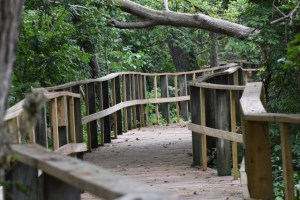 Sometimes you take a birding trip and it’s everything you ever dreamed about. Our time in Australia two years ago was like that. And sometimes, you try your hardest and things just don’t work out the way you anticipate, such as the trip we took exactly one year ago. Pete had arranged a series of work-related meetings in Michigan and Ontario, and I had never been there, so we decided to make a vacation out of it and drive around the Great Lakes. In the process, I visited my last four states, culminating in North Dakota as number 50.
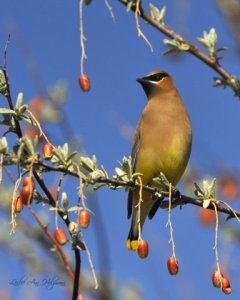 I was wandering through the forest in western Washington when I heard a series of high-pitched, whistling bird calls. As I peered into the foliage, I finally made out the Cedar Waxwings that were making the sound. Another time, I was in southern Texas, along the Rio Grande border. Again, I heard birds singling some very high notes. In this case, they were followed by a series of lower notes and a distinctive two-tone call. I realized that I was surrounded by a number of Ruby-crowned Kinglets.
 How do you like your flowers? Do you grow annuals? You have to replant them every year, but they grow quickly and bloom all season. Then they die with the first freeze. Or perhaps you prefer perennials. They continue from year to year, dying back to their roots in winter, then re-sprouting to bloom again. Their bloom season is short—some only bloom for a couple of weeks, others hang on for a month at best. In all the fuss over perennials vs. annuals, one category of flowers often gets overlooked—the biennials.
 Colorado Springs gets a lot of hail. Anyone who has lived here very long knows that hail is part of life. But in the 25 years we’ve called Colorado home, we’ve never seen a summer like this one. Three times in the past three months, the south end of town has been pummeled by huge hailstones— softball-sized cannonballs from the clouds that demolished anything in their path. Gardens, cars, roofs, windows—the damage is devastating.
 I love to visit botanic gardens (look for my previous posts under the category Gardening: Gardens). In addition to enjoying the beauty of these places, they also provide ideas for my own landscape. Denver’s is one of the best, and many of the plants there will grow happily 2,000 feet higher. But many won’t. The Betty Ford Alpine Garden, in Vail, is another lovely spot, but that garden features plants that only thrive in the mountains, where they enjoy exceptionally well-drained gravelly soils and cooler days. Yes, there are several demonstration gardens here in Colorado Springs, and I’m well acquainted with what they have to offer. But perhaps I’m too well acquainted. I need inspiration that I can apply at home.
 This summer, I found a botanic garden with growing conditions just like mine. In just five acres, the
  Mountain Plover