

I just got back from my first birding conference—the annual Colorado Field Ornithologists’ Convention. This year it was held in Grand Junction, on the western slope of the Rockies. My friend Debbie (above) and I enjoyed three days of beak-geek heaven, plus a full day each way for the 5 hour drive from home. Sometimes life can be pretty sweet.
As a newbie attendee, I really wasn’t sure what to expect. However, I had heard about the amazing field trip possibilities. After reading all the glowing descriptions on the conference website, I signed up for three outings, one a day. As far as the rest of the activities… well, I’d just have to wait and see.
 Specifically, a Penn State biologist named Tomas Carlo studied Japanese Honeysuckle (considered a noxious weed in much of the eastern US) and found that its presence increased the biodiversity of bird species as well as the number of individual birds. In fact, the fall berries are a major source of food for fruit-eating birds.
 If you are a serious birder, you probably keep a life list. As any collector understands, adding birds to that list brings a sense of elation, accomplishment and satisfaction. However, if you’ve been birding the same place for very many years, you probably have already seen most of the birds in your area.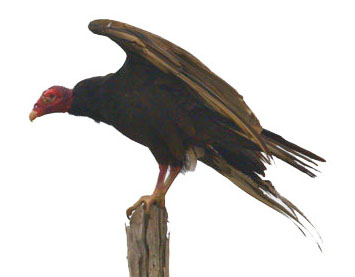
 What comes to mind when I describe a tree that has heart-shaped leaves, is in the poplar genus, grows well in Colorado and turns a brilliant gold in the fall? Chances are, you didn’t immediately think of cottonwoods. Yet, when it comes to putting on a show, cottonwoods are every bit as spectacular as their close kin, the aspen. In many ways, they are the other iconic Colorado tree. Find any stream, pond, or irrigation ditch, and chances are there will be at least one cottonwood growing next to it. They are riparian trees, and prefer to have their feet wet.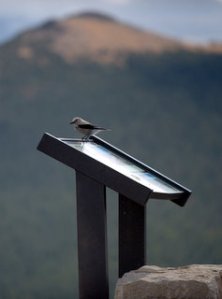
 After my recent post about spiders, and how I’m struggling to tolerate them, it might come as a surprise that I (unlike my husband) am deeply fond of snakes. Phobia—and love—know no logic.
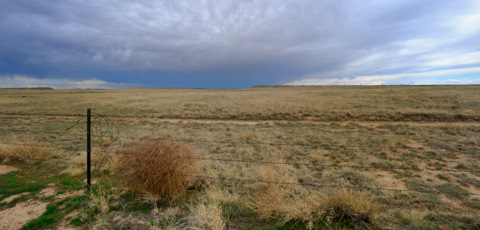
 Mountain Plover