
 We had our first hard freeze over a month ago. Most of the deciduous plants and perennials in my yard are now dormant—some with dry brown leaves still attached, others with bare stems. But remarkably, not everything looks dead. In fact, a surprising number of plants still sport green foliage.
I’ve often chosen or rejected a plant for my garden based on when it leafs out in the spring. Too early and the tender new leaves are withered by a late snow. Too late, and half the season is gone before the yard looks complete. But I never considered the other end of the season—how long will the plant stay green before going to sleep for the winter?


 Are you stressed? You should grow houseplants! Just ask all the experts. Try an online search and you’ll come up with almost two million sites claiming that growing plants reduces stress. Even the National Institute of Health has jumped on the bandwagon with a
 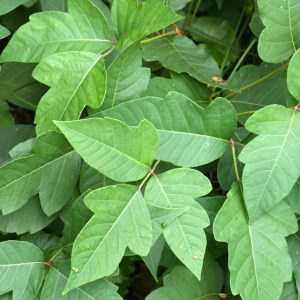 I was happily photographing wildflowers along the edge of a park in Ohio when our friend, a local, warned me, “Don’t touch that!” I looked down. That plant looked familiar—a sprawling, low-growing shrub with reddish stems and shiny green leaves, each comprised of three leaflets. Wasn’t that…?

 While we haven’t had a hard freeze yet, the lack of warm sunshine is telling my plants that the season is about over. Poppy seedheads act like salt shakers—just invert and shake out the seeds. We missed harvesting some pole beans and they’re now overripe, the pods puffy and enlarged. I’m letting them dry on the vine.
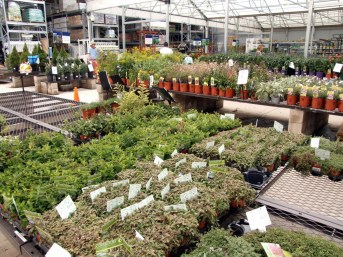 If the cooler weather and turning leaves haven’t alerted you, the calendar can’t lie. Tomorrow is the first day of autumn. Can our first frost be far behind? It’s tempting to let the change of seasons put a stop to gardening for the year, but there’s still much to do. (See my previous post on “
 Mountain Plover