
Appearance
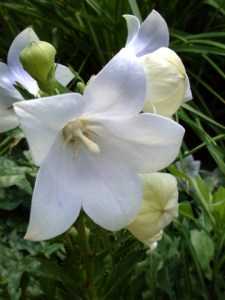 We may not be able to grow real balloons in our gardens, but Balloon Flower comes pretty close. Large buds shaped like inflated balls give Platycodon its common name, Balloon Flower. These buds open into showy blue, pink or white blossoms shaped like plump, five-pointed stars. The flowers adorn one- to two-foot tall vase-shaped clumps of oval green leaves.
Cultivation
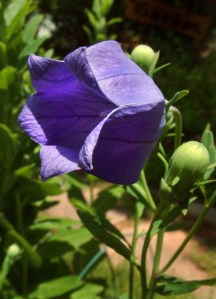 Grow Balloon Flower in well-drained garden soil amended with several inches of compost. Mark the spot so you remember where the plants will reappear in late spring. These perennials take several years to look their best, but your patience is rewarded with plants that live for twenty years or more. Because they stay neat and well-behaved, dividing is unnecessary; in fact, the roots hate to be disturbed. Established plants survive some dry periods, but prefer regular watering.
Landscape Use
Growing happily in sun or partial shade, the informal flowers are especially appropriate for a cottage garden or woodland. Bloom starts in mid-summer, often continuing until frost. Suggested companion plants include Sweet William, columbine, and daylilies in complementary colors.
 Temperatures are climbing into the 90s, your spring-planted crops are reaching maturity, and you’re excited about garden fresh salads and new potatoes. Besides harvesting your bounty, there are millions of weeds to be pulled, poisoned, or decapitated. The last thing on your mind is planting more seeds.
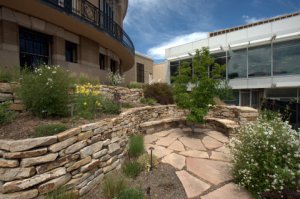 The Carnegie Library Garden may be one of downtown Colorado Springs’ best kept secrets. That’s a shame, because it is truly a gem. This is one of several public gardens featuring water-wise plants especially suited for our climate and soils. It was designed by landscape architect and master gardener Carla Anderson, and is maintained by a team of dedicated volunteers.
 Blossoms abound throughout the growing season. When I visited last month, red and yellow ‘Lena’ broom was beginning to fade, while several types of Mockorange were in full bloom. Rosettes of huge, fuzzy, silver Salvia leaves were topped with tall white or purple flower stalks, and brilliant Colorado Gold hardy gazanias were everywhere. An arbor with a built-in bench supports a beautiful pink climbing rose, while honeysuckle grows on up a nearby trellis. By the time you read this, new plants will be in bloom; it’s worth coming back for repeat visits.

 While taking a break and perusing an assortment of gardening websites, I stumbled across this story at “
 If you feed them, they will come. Anyone who puts sunflower seeds into a birdfeeder sooner or later has to contend with squirrels. And if you grow a garden—well, squirrels like many of the same foods we do, plus flowers, tulip bulbs, and numerous other plants. The question isn’t whether or not you’ll have squirrels in your yard. You will. The question is, what are you going to do about them?
 Are those weed seedlings or flowers?
 Common Yarrow might be common, but it’s still a worthy plant for Colorado gardens. Plants form spreading clumps of dark green, finely cut leaves about one foot tall. Flat-topped clusters of tiny flowers that rise above the greenery provide landing places for butterflies, which are attracted in large numbers. Blooms may be white, pale to golden yellow, or various pastel shades; ‘Paprika’ is a cultivar with red flowers the color of their namesake.
 Mountain Plover