
 Ask any 4-year-old what color leaves are, and they’ll confidently proclaim, “Green!” And green leaves are just fine, for the most part. We expect gardens to be basically green, from the verdant lawn to the tops of the trees (at least during the growing season). When it comes to plants, that glowing, chlorophyll-derived green implies life and health.
But one can have too much of a good thing. That’s why our landscaping includes plants with leaves that are a soft silver (that sounds much better than “gray”). No, I don’t want an entire yard full of them, but as accent plants, silvery leaves can make quite the impression.
 Do you like flowers? Are you passionate about purple? If so, you can’t miss out seeing the newest themed garden at Denver Botanic Gardens. Carved out of previously inaccessible space, this small but packed area is dominated by purple in all its glory. From mauve to plum, through violet to amethyst, every shade of purple is represented by the variety of flowers chosen.
 Green beans. Orange carrots. Red tomatoes. How normal. How boring. One of the joys of growing your own veggies is that you can have some fun and mix up the colors. Beans come in yellow and purple as well as green. Carrots can be white, yellow, orange, or purple. Tomatoes come in green (such as Green Zebra), purple, orange, yellow, or even sporting saucy stripes. Even fresh corn on the cob (as opposed to the dried stuff) now comes in fun colors. Why settle for growing what you can easily find at the market, when so many other options are waiting?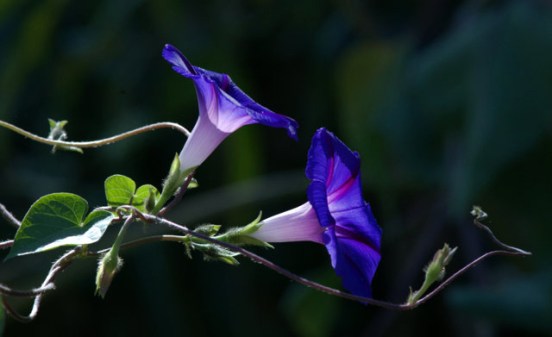
 The neighborhood where I live seems to be a magnet for door-to-door salespeople selling services. One company in particular has been particularly persistent in their marketing attempts—an exterminator.
 Some gardeners plant the same varieties year after year, depending on past performance to guarantee future success. Why mess with something that works? Others, myself included, like to try the latest cultivars. We’re always searching for that new and improved flower or vegetable that will make this year’s garden the best ever.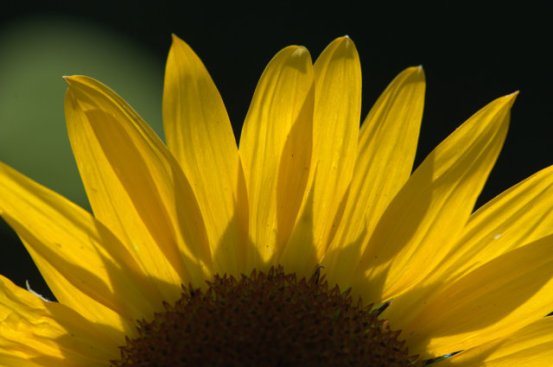
 How do you like your flowers? Do you grow annuals? You have to replant them every year, but they grow quickly and bloom all season. Then they die with the first freeze. Or perhaps you prefer perennials. They continue from year to year, dying back to their roots in winter, then re-sprouting to bloom again. Their bloom season is short—some only bloom for a couple of weeks, others hang on for a month at best. In all the fuss over perennials vs. annuals, one category of flowers often gets overlooked—the biennials.
 I love to visit botanic gardens (look for my previous posts under the category Gardening: Gardens). In addition to enjoying the beauty of these places, they also provide ideas for my own landscape. Denver’s is one of the best, and many of the plants there will grow happily 2,000 feet higher. But many won’t. The Betty Ford Alpine Garden, in Vail, is another lovely spot, but that garden features plants that only thrive in the mountains, where they enjoy exceptionally well-drained gravelly soils and cooler days. Yes, there are several demonstration gardens here in Colorado Springs, and I’m well acquainted with what they have to offer. But perhaps I’m too well acquainted. I need inspiration that I can apply at home.
 This summer, I found a botanic garden with growing conditions just like mine. In just five acres, the
  My pole beans, which got a rather late start, are finally climbing their way up the strings on my bean tower. I’m always impressed that the plants know just what to do. Those reaching tendrils that come into contact with the string immediate start to coil around it, securing themselves to the support. A few plants were still free, waving in the light breeze. I tucked them between the two strands of twine, so they too could wind their way upward.
 Mountain Plover