
 I’m gazing out my frosted window at the birds in our backyard. In the four hours since sunrise, the thermometer has only climbed from 13 to 15 degrees. Tiny snowflakes waft down onto the deck and bird feeders. The predawn fog has frozen onto every twig and blade of grass, turning the landscape into a fairyland of hoar frost.
The birds—House Finches, Dark-eyed Juncos, a few pigeon—are devouring my black-oil sunflower seeds as fast as their little beaks can crack the shells. A flicker has staked out the suet feeder. (I miss the nuthatches and chickadees from our old house, surrounded by pines.) But as popular as the feeders are, the birds are also flocking to my heated birdbath.
 The tree had clearly expired. What leaves remained had turned a sickly yellow-brown, and hung limply on the branches—in mid-August! Yet, when our neighbors planted it last year it had been perfectly healthy. Something was obviously wrong, and I had a hunch I knew what. (I’ve often said that master gardeners kill just as many plants, we just know why they died.)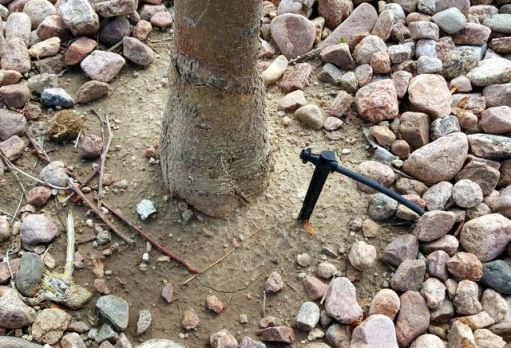

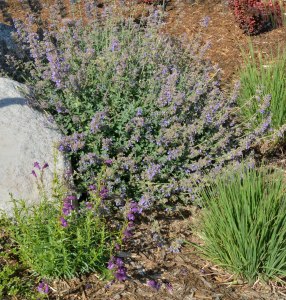 You’ve read the instructions; I’ve used them frequently here in my posts. “Drought resistant once established.” Sounds good—we’re always trying to save water—but how should you water these plants to start with? And what does “established” mean?
 We all know what roots are—they’re the part of the plant that’s usually underground. If we have a mental image, it’s probably a mass of wiggly, white strings poking their way through the soil. We should pay more attention to roots. After all, they’re an essential part of a plant (as well as the only part remaining after some hail storms!). Knowing a little about how roots work will make us more successful gardeners.


 Mountain Plover