Missing Spring?

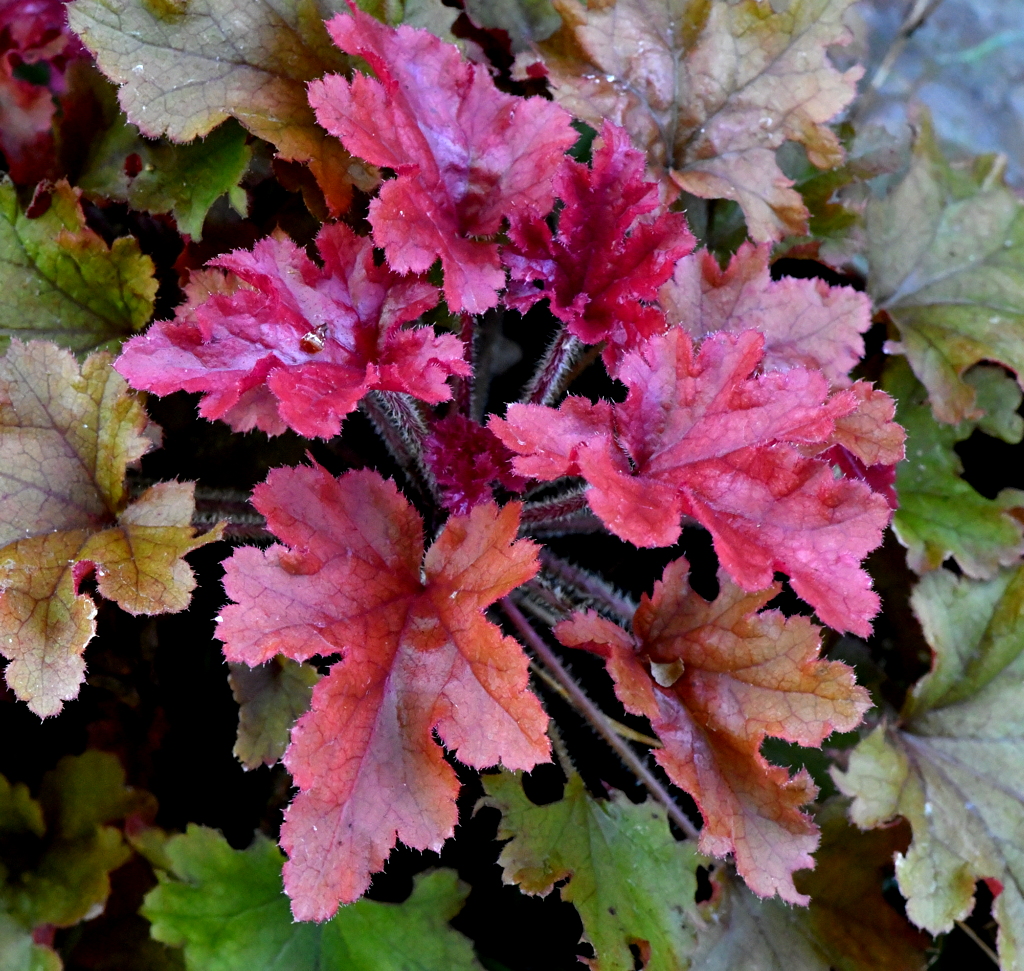
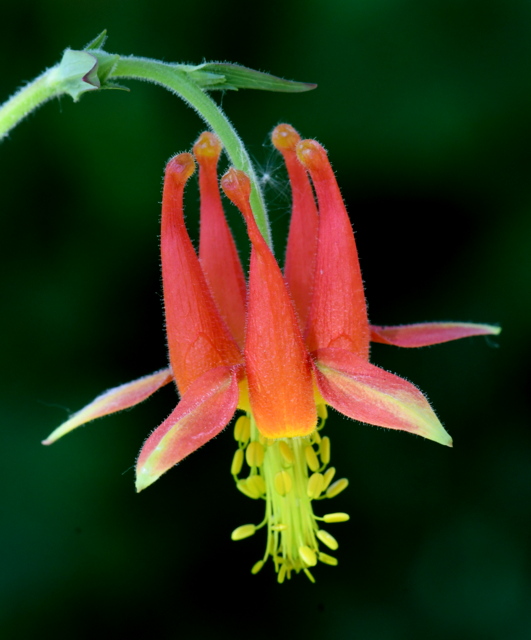
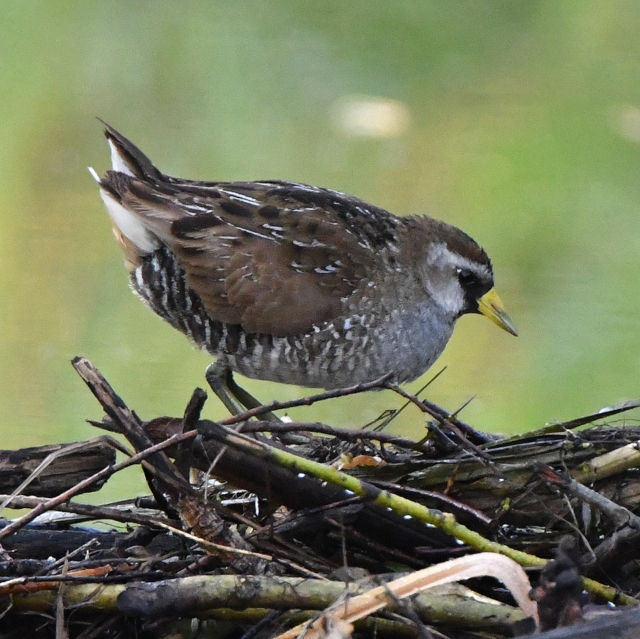
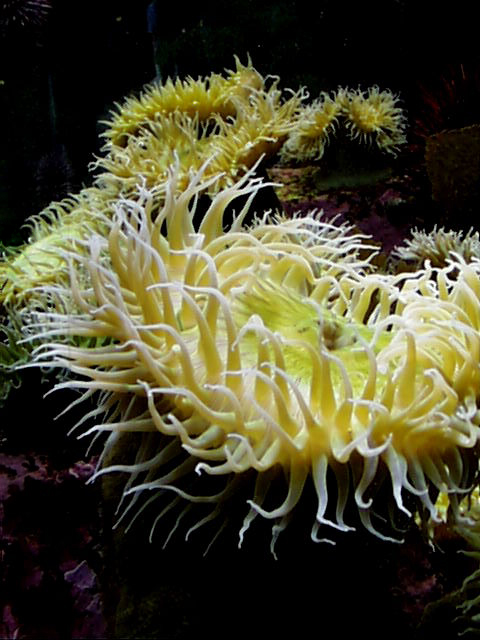
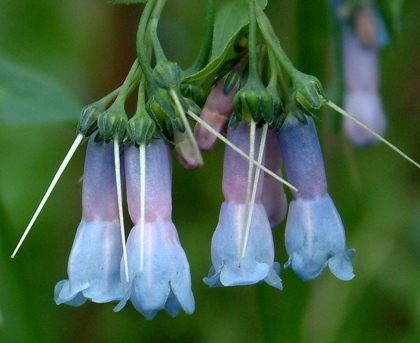
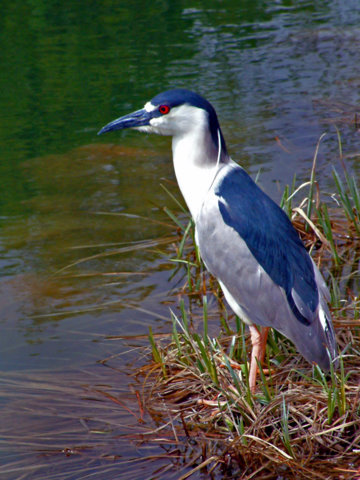
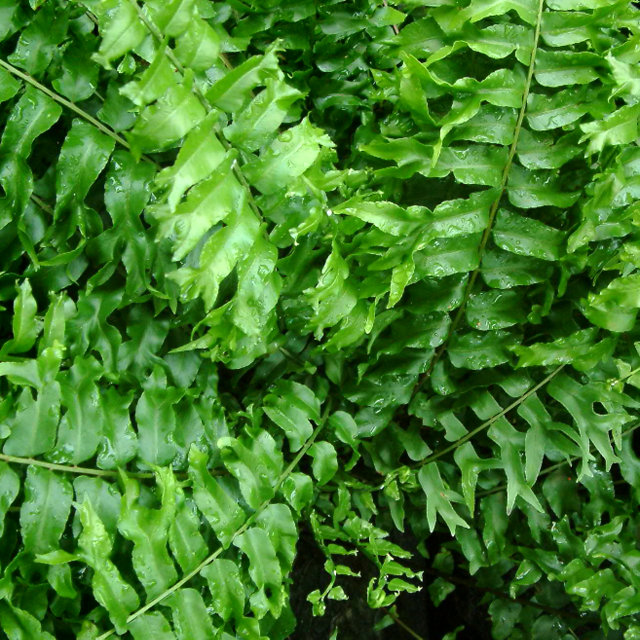
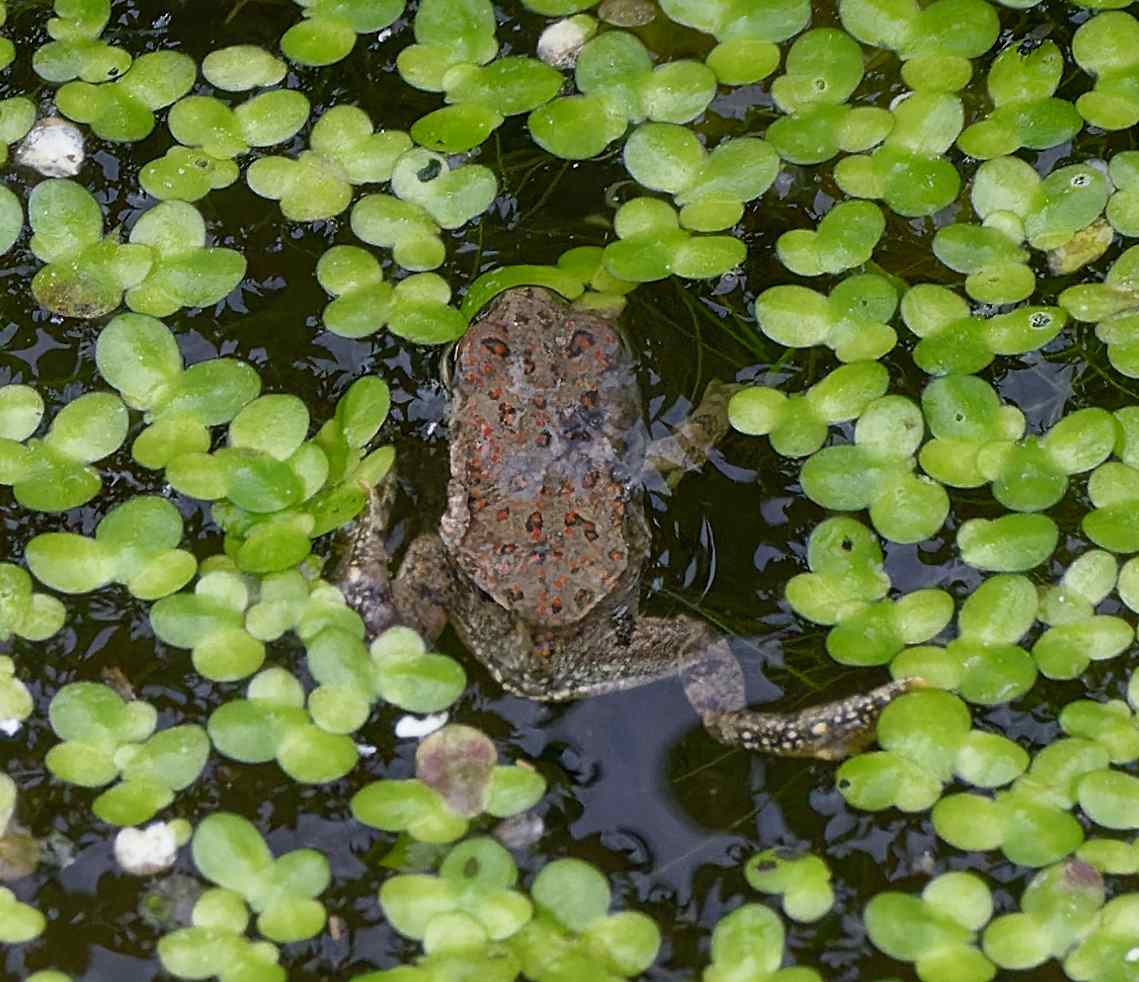
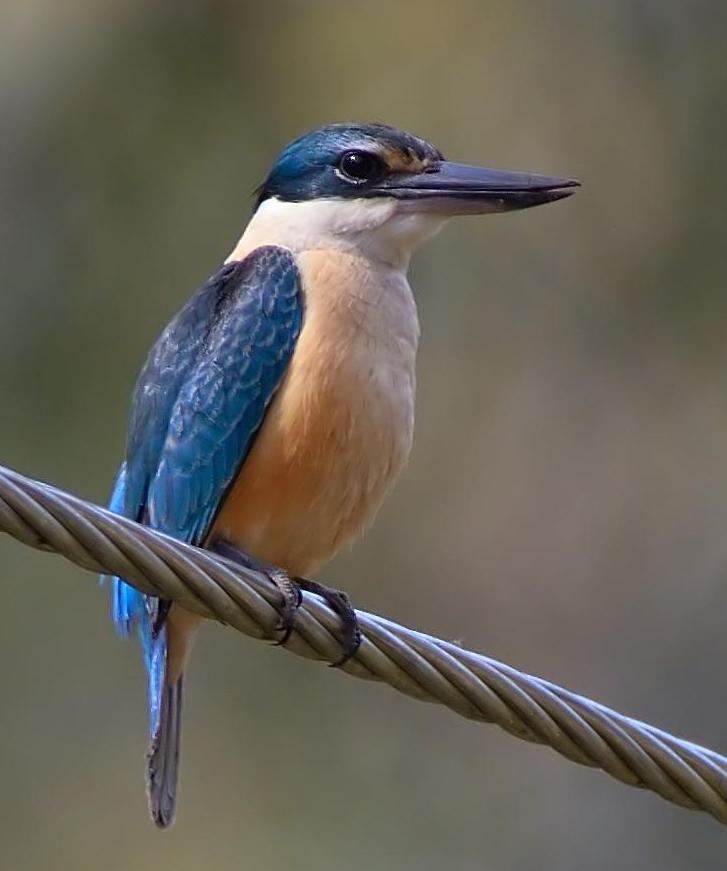
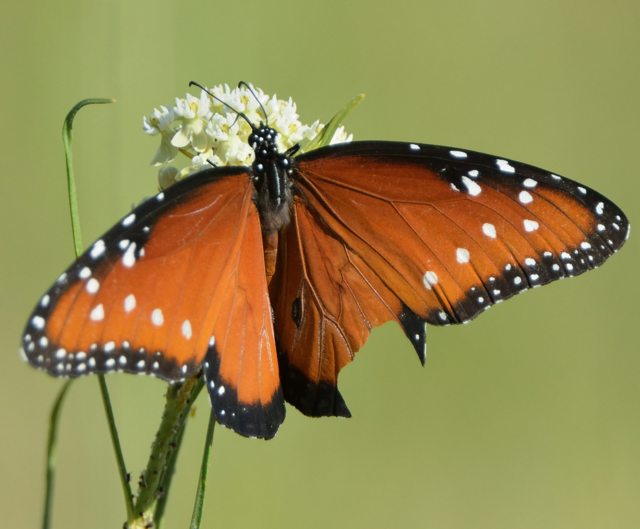
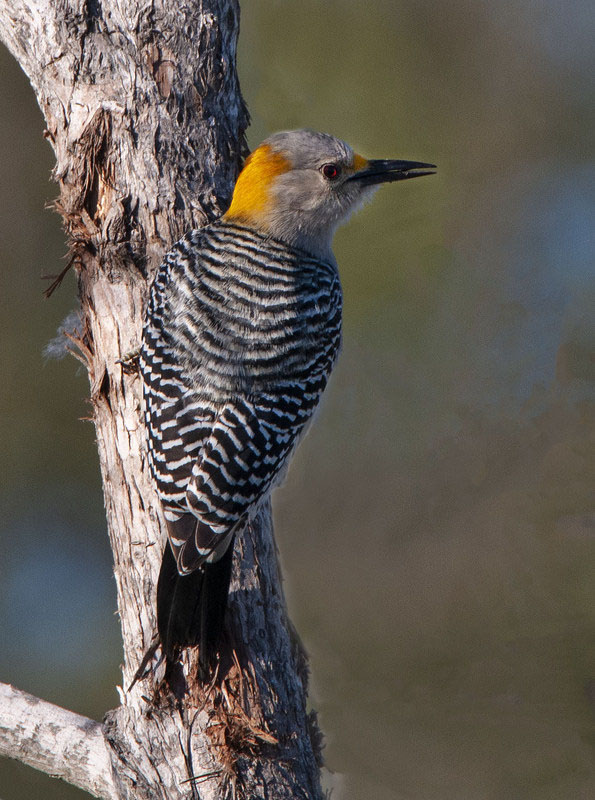
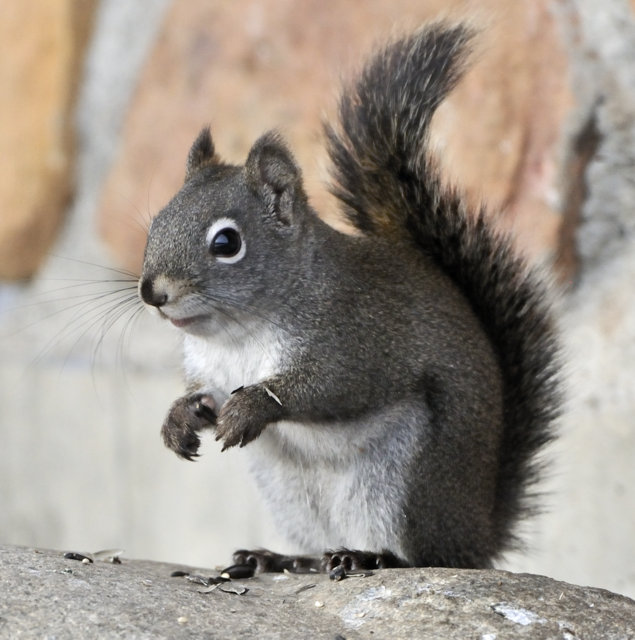
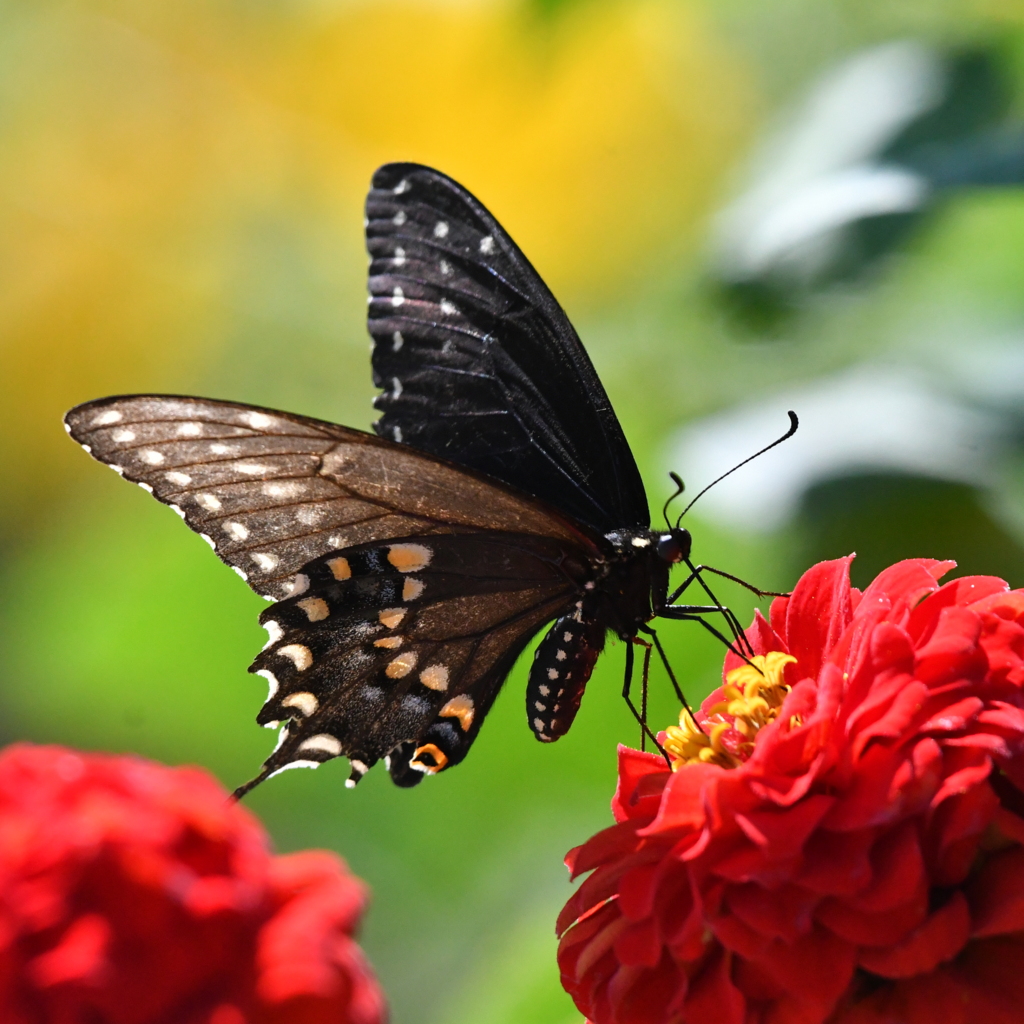
Muted reds, soft blues, maize yellow—winter isn’t the monotone black, gray, and white that I expected when I moved to Colorado over twenty years ago. But even after twenty years, I still have trouble with January. Like many Colorado transplants, I grew up in California, and I miss the year-round green, the earthy smell of growing things, and the bright hues of flowers. Perhaps you do too.

Today’s post is designed to help dispel those mid-winter blahs. I offer a rainbow of colors to cheer you up and remind us all that spring is coming! (more…)

And We Beheld His Glory

Lights_DBG_LAH_5763

In the beginning was the Word, and the Word was with God, and the Word was God. In Him was life, and the life was the light of men. And the light shines in the darkness, and the darkness did not comprehend it.

He was in the world, and the world was made through Him, and the world did not know Him. But as many as received Him, to them He gave the right to become children of God, to those who believe in His name: who were born, not of blood, nor of the will of the flesh, nor of the will of man, but of God.

And the Word became flesh and dwelt among us, and we beheld His glory, the glory as of the only begotten of the Father, full of grace and truth.

Merry Christmas, everyone!

Bird Photography: A few more tips

Pete photo of YCNH @EvergladesNP 31dec07 LAH 751This is the last (at least for a while) post in my series on better bird photography. If you missed the earlier posts, just type “bird photography” into the search box at right. I guess you could call these the odds and ends I didn’t mention earlier!

Line
I think of line as the path my focus takes as it moves through a photo. Where do I look first? Where do my eyes go from there? In these examples, my eyes follow an S-curve as I look at the Swan Goose, while they move diagonally through the photo of the Black-necked Stilt. There’s a reason that pictures of meandering rivers and paths are so popular. We visit all parts of the image as we wind our way through. (more…)

Bird Photography: Balance & Color

Eastern Rosella Parrot_CheyenneMtnZoo-CO_LAH_4110As I mentioned last month, if we want our photography to look like art, we need to study art. I find that the more I learn about composition and design, the better my pictures turn out. Here are a few more things to consider when looking through your viewfinder.

Balance
Objects in a photograph have visual weight to them. Imagine that your photo is a seesaw, supported by a point in the middle. For example, a large, black crow to the right of the picture will tend to pull that side downward unless balanced by something else on the left side. Just as with actual weights, two or three smaller objects can balance one big one. Most pleasing pictures are visually balanced. Remember that a large open space can also have weight, so you don’t need clutter your composition. (more…)

Bird Photography: Basic Composition

Secretarybird_DenverZoo_LAH_1564 As I’ve mentioned before, there are lots of reasons to photograph birds. Perhaps you just want a record of what you’ve seen, or proof of a rarity to convince those eBird auditors. Maybe you can’t ID the bird at the moment, and you want to give it another shot once you get home. In cases like these, it doesn’t really matter how pleasing your photograph is as a work of art.

But maybe, like me, you don’t just want a snapshot of the bird—you want a good photo. You’re paying attention to the lighting and the background, and to what the bird is doing. You’re hoping to create a work of art. In that case, it helps to think like an artist.

(more…)

Bird Photography: Light

12 x 18 Crowned CraneThe word “photography” means “writing with light,” and the right lighting can make the difference between a ho-hum snapshot and an award-winning photograph. But what is the “right” lighting? And how do you take advantage of it?

In general, photographers think of light as coming from one of four directions—from the front, side, back, or overhead. Each of these has pros and cons, with widely varying results. Then there are different qualities of light, such as bright or soft. Different combinations of these conditions will greatly affect your results.

(more…)

Bird Photography: Keep It Simple, Sweetie

Mountain Chickadee_StForestStPark-CO_Mountain Chickadee_StForestStPark-CO_LAH_0278You’re out birding and you see an adorable Mountain Chickadee, busily working over the scrub oak branch looking for a snack. Happily, you’ve got your camera, so you grab a few quick shots. But when you get home and enlarge them on your computer screen, you’re disappointed. The bird is cute, but it’s surrounded by brushy twigs and dead leaves.

As I scroll through photo after photo on my various Facebook photography sites, I’m struck by the stark disparity between the experienced photographers and the obvious beginners. There’s nothing wrong with being a beginner—we all had to start there—but there is a problem if you stay a beginner year after year.

(more…)

Bird Photography: Use your birding skills!

Long-billed Curlew_WaddellBeach-BigBasinSP-CA_LAH_0768As birders, we have an advantage over other photographers wishing to photograph birds. We know our subjects. All those skills we’ve garnered in our years of stalking lifers and observing birdy behavior are about to pay off—big time!.

Finding birds is easier for us birders. We know where the hotspots are. (If in doubt, check out the field trip destinations from any birding club website.) For example, Colorado birders know that Mt. Evans and Guanella Pass are often productive places to search for ptarmigan, while Clark’s Nutcrackers and Gray Jays can almost always be found at the Rainbow Curve pull-out in Rocky Mountain National Park.

(more…)

Bird Photography: Practice makes perfect!

Belted Kingfisher_FCNC-CO_LAH_1319_filteredThere are lots of reasons to photograph birds. For one, it’s lots of fun (although all-too-often frustrating as well). Photos can provide a record of birds you’ve seen, especially if, like me, you start second-guessing your best sightings the minute the bird flies away. They provide proof to ebird and records committees that your rarity was indeed what you thought it was.

Perhaps you’re birding in an unfamiliar location. You may not immediately recognize all the birds you see, and photos might allow you to ID some species later, when you’re not in a hurry.

Photos can also be artistic. Everyone can be creative—it’s part of our DNA—and photography makes a wonderful creative outlet.

(more…)