
[This article, by Joan Nusbaum and I, originally appeared in the Colorado Springs Gazette in 2005. I have edited it to make it even more applicable after last week’s storms!]
 Last week, our part of the world was hit by a horrific hail storm. Drifts (if you can call them that) measured four feet high. Houses, cars, and, of course, gardens were ruined by hailstones the size of golf balls (as this photo by Pam Woodward proves). It’s quite shocking to watch from your window and see thousands of hail stones plummeting your favorite garden. Do not despair—the plants may recover! Hail usually does not damage the root system. Here are some things you might do to help your plants survive and even thrive:
 It had been raining all week, quite normal for western Washington in late May. We were near Seattle, visiting our brand new

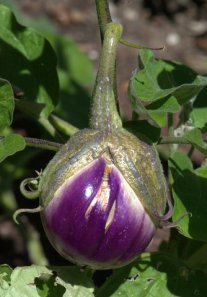 Eggplant Parmigiana, Moussaka, Moroccan Eggplant Salad, Baba Ganoush… there are plenty of delicious ways to eat eggplant. Growing it in Colorado is a whole different story. A native of warm and humid southeast Asia, it takes a bit of persuasion to convince this tomato family member to thrive in our cool, dry climate.
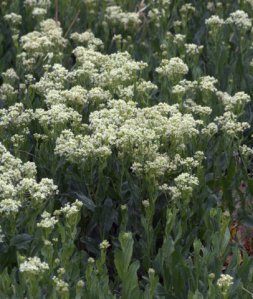 Spring flowers are finally filling the fields. Milk vetch, penstemons, wild onions and marsh marigolds all caught my eye as I hiked though the towering cottonwoods along Fountain Creek, at the base of the Rockies here in central Colorado. I was particularly impressed by huge swaths of a foamy white flower I didn’t immediately recognize.
 Is your garden being bugged? While 95% of all insects are either beneficial or benign, that last 5% can eat us out of house and home—or at least out of cabbage and broccoli. If insect invaders are on the attack, sometimes you just have to fight back.

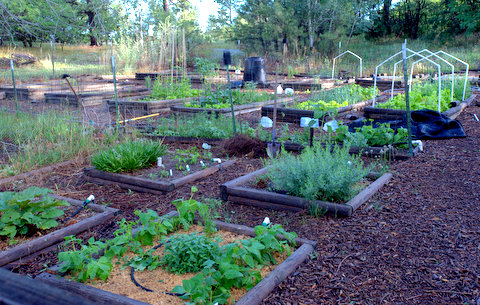
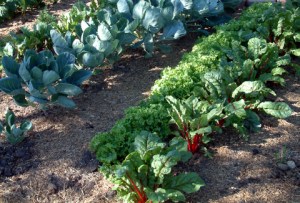 Earth Day is this weekend, and what could be a more appropriate celebration than starting a vegetable garden. And for those of us in the Pikes Peak area, it’s finally time to get some dirt under our fingernails.


