

I have nine hens in my chicken coop: six pullets that have just started laying small eggs, and three aging biddies who lay huge eggs… once in a while. We love the jumbo eggs—one per person is enough for breakfast—but we are only finding three or four per week, whereas the six pullets are together laying five or six eggs per day. In the meantime, the hens are all munching down on laying pellets at pretty much the same pace.
 Has your garden been assaulted by a plague of pink flamingos? Are your furrows full of gnomes? Maybe your problem is something as simple as a dreary winter landscape. Don’t despair, help is on the way. Even though traditional remedies may fail, extensive research has revealed a guaranteed solution to all of these garden woes.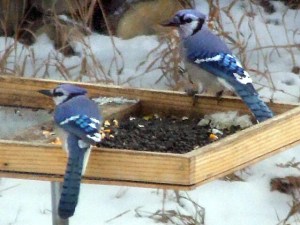
 Are you missing succulent green foliage, fragrant flowers, and that humus-y smell of living soil? It may be too cold to garden outside, but it’s a great time to focus on houseplants.
 We had been camping at Turquoise Lake, near Leadville, Colorado, high in the Rockies. As it was lunchtime, we spread out a tablecloth, set out a bowl of chicken salad (with chicken, grapes, celery, and pecans), and went to find the plates and forks. But as I returned to set the table, the salad seemed to be missing something… the pecans were gone! Seems we’d been victims of the camp robber!
 Seed catalogs are beginning to arrive in our mailboxes. With all the brightly colored photos of perfect vegetables and flowers, it’s tempting to order one (or more!) of each. Most of us, however, have limited garden space. We need to make some hard decisions.
 At some time of another, most birders have a “nemesis bird”—that species you really want to see but you always seem to show up a minute too late. Or you show up in the wrong spot. Or you hear, “We always get that bird on this trip; I don’t know why it’s not here now!”
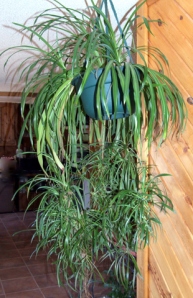 Halloween is just around the corner. Spider decorations are everywhere. I don’t like spiders much (rather, I’m terrified of them), but even arachnophobes like me aren’t afraid of spider plants. There are no chitinous appendages, poison glands, and no skittering noises. Instead, they just grow like crazy and produce lots of offshoots.
 After a fox attack last spring, we’re down to only three aging hens and six five-month-old pullets. Instead of giving eggs to all our friends, I’ve had to buy them at the market. So this morning, after being out of town for the weekend, I walked out to the coop hoping to find an egg, or maybe two. Instead, there were close to a dozen!
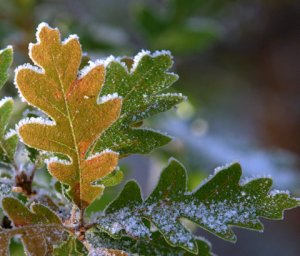 We’ve come to the end of another growing season. Now that we’ve had a hard freeze, you can put up your feet, re-grow your fingernails, and turn your attention elsewhere. Or, you can use the cold months ahead to improve your gardening skills.
