Thanksgiving Flowers?

PLTfallmum_drkrdbskgrn10_PC0840GB_PFOnce again it looks like everyone is coming to our house for Thanksgiving. I have no problem stuffing and cooking a turkey, whipping up some tasty gravy, or baking delicious pies. I enjoy cooking, and I’ve made plenty of turkey dinners. I’m the kind of cook who works hard to get the flavors I want, but forgets about presentation. When it comes to Thanksgiving dinner, what stumps me is decorating the table.

My first inclination is to just pick up a small potted mum from the market and plop it down in the center of the table, perfectly blocking the line of sight between Aunt Abigail and Cousin Clarence. It’s easy and I gain a plant out of it. However, it has its drawbacks.
(more…)

A November Garden Beauty

Eriogonum umbellatum var aureum - Sulfur Flower Buckwheat_DBG_10200118_LAH_7145My daughter was staring at the planters surrounding her patio, full of bedraggled and wilted plants. “I know it’s November, but is there something I can plant that will look nice now?”

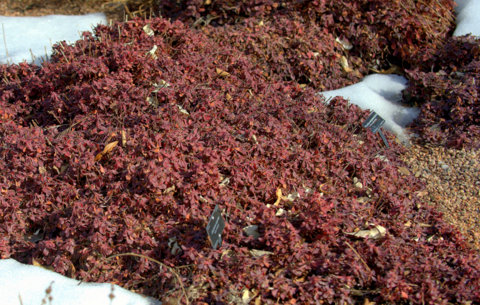
Of course we’re not going to get the delicate flowers or green abundance of late spring or summer, but dead doesn’t have to mean ugly. Some plants manage to look good even after freezing nights and the season’s first snowstorm.

(more…)

Gardening Goes On… Indoors

Hoya @home 28mar2006 LAH 119rAs nighttime temperatures dip into the teens, I have to face the fact that I won’t be outside gardening any time soon. Happily, a good part of my garden lives in my house with me. After a busy summer (punctuated by fire, hail, and floods), I finally have time to give my houseplants the attention they deserve.

Unless the plants are in dire straits, I prefer to wait on repotting until spring. Then, the longer days, larger pot, and fresh potting mix combine to encourage new growth. Except for the plants that are winter bloomers (Christmas cactus, some orchids), at this time of year I give my plants a rest by cutting back on fertilizer and watering just enough to keep the soil moist.

(more…)

Blood Geranium

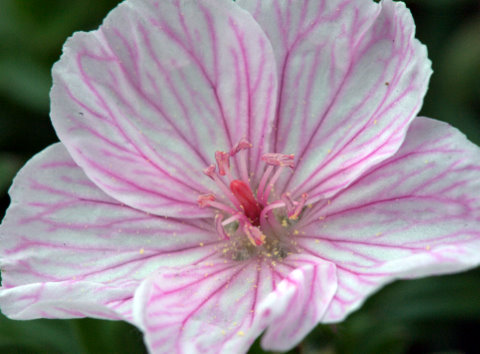
Geranium sanguineum 'Lancastriense'_Bloody Cranesbill_HudsonGardens-CO_LAH_2751Its name may be suitable for Halloween, but the Blood Geranium, aka the Blood Red Cranesbill, Bloody Cranesbill, or Geranium sanguineum, is anything but gruesome. In fact, the name comes from the bright crimson color of the fall foliage, rather than from the flowers or any tendency of the plant to bleed! In fact, Blood Geraniums are excellent plants for Colorado gardens.

Cranesbills are a type of perennial geranium with deeply divided leaves rising from a central point, and colorful flowers ranging from white through baby’s blush to shocking pink. Some flowers have brightly veined petals, as shown in the photo. The plants grow approximately 12 to 18 inches high and spread as wide or wider.

(more…)

Covering Your Dirt

Landscape fabric showing through mulch @ColoSpgs 2008oct16 LAH 068I’m out of town—very, very out of town. In fact, I’m in Swaziland, in southeastern Africa, almost 10,000 miles from home. If you want to know what my trip is all about, you can read the details on my other blog. Start here. If you want to read more, enter Swaziland in the search box at the top right of that page.

While I’m gone I’d like to direct you to this post my friend Carey wrote on landscape fabric, and why it’s probably not a good idea to use it in your garden.

Landscape Fabric – Why You Probably
Don’t Need or Want It

Carey is another former Colorado Master Gardener, and she is full of garden wisdom. In addition to her posts to Pikes Peak Gardening Help, she has her personal blog at Carey Moonbeam. You can see my links to both these sites at right.

See you next week.

Rethinking Lawns

Useless turf_ColoSpgs-CO_LAH_8420Lawns—it seems we either love them or hate them. I was surprised when an informal survey of around 100 Colorado Master Gardeners revealed that only two people (2%) were very interested in growing lawns. Yet, half of the callers to the master gardener help desk ask for advice on growing turf grass. Clearly there’s a major disconnect here! Why are lawns so popular among the general public, yet loathed by many avid gardeners?

I unhesitatingly admit that a lovely lawn sets off the rest of the landscape. Flower beds, shrubbery, and other garden beds often look their best when they’re bordered by grass.

(more…)

Extending the Harvest

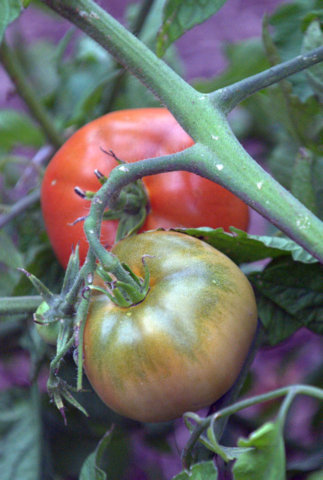
Tomato_DBG_20090915_LAH_0507As fall finally arrives, it’s time to think about early frosts and the end of the growing season. At our house, we are happily celebrating the end of the summer squash glut, and I have no plans to prolong that harvest. Our pole beans are looking a bit peaked, and production has stalled. We enjoyed a bountiful crop, so again, I’m happy to let them succumb to frost.

On the other hand, our tomatoes have just started ripening. (They wilted severely while we were evacuated for the Black Forest fire, and I think it set them back at least a month.) The huge plants are loaded with promising yellow, orange, and pale red fruit, and I’m unwilling to give up so close to our goal.

(more…)

Bountiful Basil

Colorado State Univ. Field DayThe overpowering aroma of basil fills my kitchen. A huge pile of green leaves and stems occupies the counter, next to a bottle of olive oil, several heads of garlic, and a mound of grated Parmesan cheese. It’s pesto time.

I enjoy using basil all year long, but I’ve had bad luck growing plants indoors during the winter. White flies, mealy bugs, and other pests agree that this mint family member is delicious. I’ve finally come to realize I have to do my growing during the summer, but I can still enjoy basil’s fresh flavor in the middle of February.

(more…)

Teasel Isn’t Teasing

Teasel @BearCreek LAH 026Most of us are familiar with teasel. It grows in most states, including Colorado where it is designated a “List B” species in the Colorado Noxious Weed Act. That means that, if you live in Colorado (or several other states), you need to declare war on any plants on your property. Good luck.

Teasels are easily identified by the spiny flower head left behind after the petals have fallen, as you can see in these photos. There are two species listed as noxious weeds in Colorado—the Common Teasel (Dipsacus fullonum), shown, and its lookalike cousin Cutleaf Teasel (Dipsacus laciniatus).

(more…)

Autumn Joy

Sedum 'Autumn Joy' @Briargate 10sep05 LAH 089As the growing season winds down we begin to focus on turning autumn leaves, dried grasses, and striking seed heads, but for some flowering plants this is their time to shine. Sedum ‘Autumn Joy’ will star in your fall garden.

Plants grow from a single crown, becoming an upright clump 15 to 18 inches tall and 15 inches wide. The succulent, rounded leaves and stems have a gray-blue cast. Stems are topped with large flower heads that start out dusty-pink and become a rich bronze as they age—the ideal colors to complement fall’s russet and gold.

(more…)