
 Last night WeatherBug was blinking a frost alert—the first of the season—and sure enough, there was ice on our birdbath this morning. I hate to admit it, but summer is over. I don’t mind the end of the cucumbers; they were overly prolific this year. And the carrots are safe underground for months to come. What I miss are the fresh herbs that we’re still enjoying. So, they’re moving back in with us.
Fresh herbs are pricy at the market, and they don’t keep very long. Yet, herbs are some of the easiest plants to grow. Since our garden is quite a ways from the kitchen, I have several pots of basil, thyme, sage, oregano, and rosemary right outside the kitchen door. With the weather cooling off, it’s time to bring them inside.
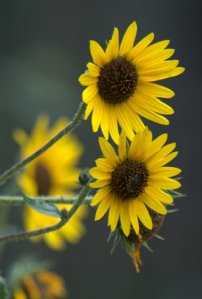 This year, the birds planted themselves a garden.
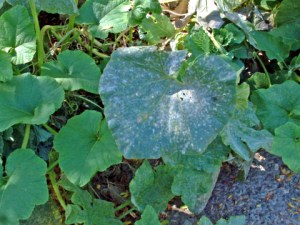 The huge zucchini leaf looked as if it had been dusted with flour. The man holding it was looking at me expectantly, waiting for my diagnosis. I was volunteering at our county’s Master Gardener helpdesk, providing free gardening advice to the general public. Sometimes we get stumped, but this time I immediately knew exactly what the problem was.
 Appearance
 My cucumbers are sick. As far as I can tell (although I’m not 100% certain), they’re suffering from something called Alternaria Leaf Blight. But no matter what the particular fungus is, the leaves have expanding brown spots and are beginning to yellow and die, starting from the roots and working their way upward. New fruit is being aborted. It’s sad—very, very sad.
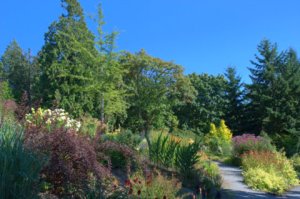 Where does a gardener want to go on vacation? Probably somewhere with a beautiful public garden or two.
 The summer is heading for fall, and it’s time to fertilize lawns. Go to any garden center and you’ll see piles of name brand lawn fertilizer, complete with directions on the back. Just follow these simple steps and you’ll have a healthy, green, weed-free lawn.
 My daughter supports it in Idaho. My brother-in-law supports it near Denver. My friend supports it here in Colorado Springs—maybe it’s time I join the Community Supported Agriculture (CSA) movement too.
 Description
 Mountain Plover