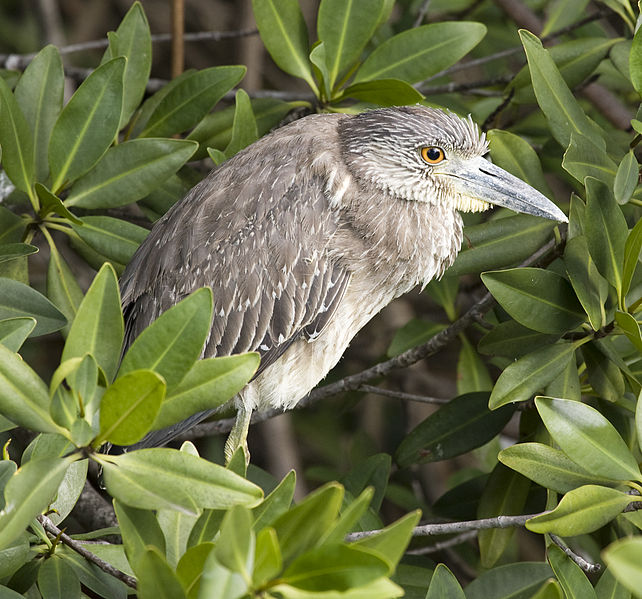
 Some years ago, my friend and I were out birding here in Colorado. It was a month or so after Hurricane Katrina had inundated the Gulf Coast, but that fact was far from our minds on that early morning in August. We had stopped at a little pond alongside the road to check out the ducks and waders, when we spotted a large brown-striped bird standing at the edge of the water. It looked a lot like the bird in this photo (which is courtesy of Laura Gooch via WikiCommons—thank you).
At the time, we were both fairly new birders. We didn’t own one scope between us. As the bird was on the far shore, we took turns squinting through our binos and consulting our field guide. Our view wasn’t nearly as good as the photo here.
 Some friends just alerted me to a creative and though-provoking


 Here in Colorado, it’s the hottest summer in anyone’s memory. I’ve had a major case of birding ennui, canceling trip after trip when the mercury topped 100⁰F. The birds are smart enough to nap during the heat of the day, and I’m learning from their example.