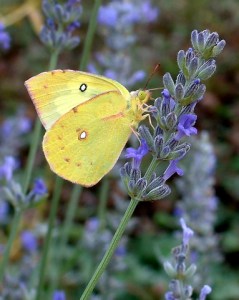
 Insects have a pretty crummy reputation. Not too many people are enamored with flies, roaches, or wasps. Yet, there are a few exceptions, such as ladybugs, honeybees (in the right setting), and of course, butterflies. Who doesn’t appreciate butterflies? We’re taken with their beauty, and we hope they’ll visit our gardens. Happily, there are a number of steps we gardeners can take to encourage these “flying flowers.” Creating a landscape that welcomes butterflies isn’t difficult, and it will appeal to people just as much as it does to the butterflies.
Most importantly, don’t spray insecticides in your yard. You’re trying to encourage butterflies and caterpillars, not kill them! If you do have a pest problem, make sure to identify the culprits before taking action. Sometimes spraying isn’t the best option. If you decide you need to apply a pesticide, use it selectively on the plants under attack. Don’t go wild with the sprayer.
(more…)


 We’re in the middle of summer, that season I’ve waited for all year. All those December dreams of dahlias, March musings of marigolds—and now it’s too hot to go outside! A friend and I have been planning, then delaying, a trip to the Denver Botanic Gardens for several weeks, hoping for a cooler day that will allow for a more enjoyable visit and better photos. Meanwhile, what’s a sweaty flower lover to do?
 According to a recent

 I love salads. Wash and tear some crisp, homegrown lettuce. Add a few sprouts, some mizuna leaves (mizuna grows exceptionally well in my garden) and other greens. Slice up some green onions, cucumbers and tomatoes, throw in a few flowers, and whisk together a light vinaigrette to pour over the top. Toss it all together, and yum!
 Are you staring out the window, watching the snowflakes, and desperately wanting to plant something? Guess what—you can! It may be too early to start tomatoes and broccoli, but lettuce seedlings can handle the cold with a little protection. So pull out the recycled six-packs and potting soil, soak your peat pots, and clear some space on the counter. It’s planting time!
 Does chaffing wind have you pining for gentle tropical breezes? Do the empty branches of your shrubs and trees leave you starving for bright green foliage? Are you dreaming of the scent of gardenias and orange blossoms?
 You don’t need to buy a plane ticket. Just head over the Denver Botanic Gardens’ new greenhouse complex. Walk through the door and your senses are engulfed by luxuriant growth. Feast on the bright colors and fascinating shapes of plants from faraway places. Inhale the humid air that keeps these exotics healthy and blooming. Pretend you are far, far south of Colorado.
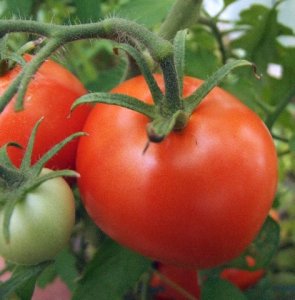 When can I pick my tomatoes? Will these melons ripen in my short growing season? If I plant these flowers from seed, when will I have blooms?
 Mountain Plover