

I love Asian cooking, or at least the American version of it. (I didn’t recognize anything on the buffet at the hotel in Bangkok!). Anything with plenty of onions, garlic, and ginger makes my mouth water. I’ve grown onions and garlic before, when I had more room for such things. But living in the cold part of Zone 5, any ginger I planted would have to be in a pot so I could bring it in for the winter. And at the rate I use ginger, it just didn’t seem to be worth the trouble.
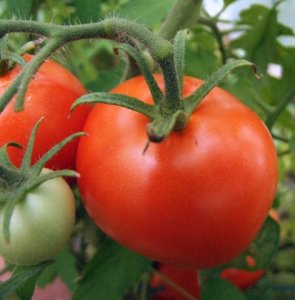 Summer is just around the corner and the weather is (hopefully) settled. You’ve finally planted your tomato seedlings and you’re dreaming of luscious, red, ripe tomatoes—the sooner the better.
 It used to be relegated to garnish status, if you could find it at all. Kale’s strong flavor placed it in last place when compared to its more appealing relatives such as cabbage, cauliflower, and broccoli. Even the oft-hated Brussels sprouts were more popular. But now, kale is finally getting the accolades it deserves. From kale smoothies to the seared kale I enjoyed at a restaurant recently, its showing up everywhere. With its abundant nutrients and new, milder flavor, kale might be the “trendy veggie” of the decade.
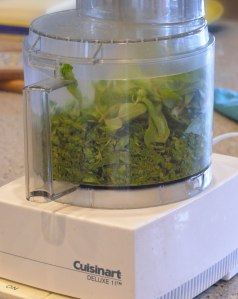 The summer is winding down and my harvest (well, except for the still-green tomatoes) is in full swing. Last month I made my first basil cuttings. Now it’s time for another one. And with any luck (and a late frost), I’ll reap one more before the plants freeze.
 Most landscapes look terrific in May and June. The leaves are fresh and new. From pink crabapples to purple lilacs, it seems as if everything is in bloom. The contrast with the lifeless browns and grays of winter is enough to send you cavorting across the glowing, emerald green lawn.
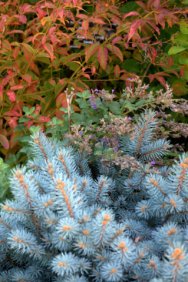 Colorado has a love affair with the blue spruce (


 Mountain Plover