
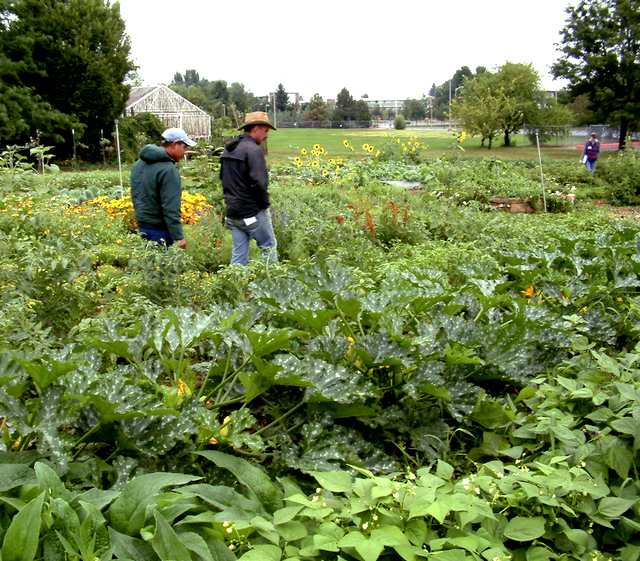
 How many times do we read a description in a seed catalog, order the seeds, then find ourselves disappointed with the results? Our Colorado climate and soil conditions make for some challenging gardening, and varieties that thrive in other parts of the country just don’t do as well here.
Thankfully, we have a state university providing us with research-based information especially suited to our high and dry gardens. From 2004 through 2008, CSU trialed an assortment of potential commercial crops, comparing varieties to discover which, if any, do well here. The results are available on their website under the heading “The Rocky Mountain Small Organic Farm Project.”
 (Don’t miss my
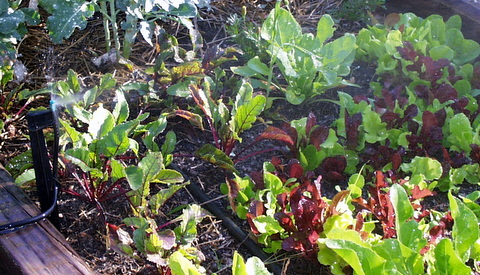

 Seed catalogs are beginning to arrive in our mailboxes. With all the brightly colored photos of perfect vegetables and flowers, it’s tempting to order one (or more!) of each. Most of us, however, have limited garden space. We need to make some hard decisions.
 It’s time to clean out the chicken coop. All summer my little flock has been happily picking weed and grass seeds out of the straw I spread in their coop last spring. At the same time, they’ve broken down the big pieces of grass stem into finer shreds. And, best of all, they’re balanced all that carbon with some nice, hot chicken manure.
 Last night WeatherBug was blinking a frost alert—the first of the season—and sure enough, there was ice on our birdbath this morning. I hate to admit it, but summer is over. I don’t mind the end of the cucumbers; they were overly prolific this year. And the carrots are safe underground for months to come. What I miss are the fresh herbs that we’re still enjoying. So, they’re moving back in with us.
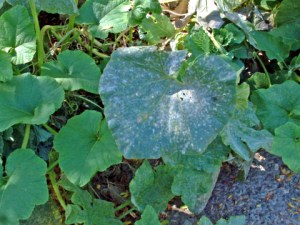 The huge zucchini leaf looked as if it had been dusted with flour. The man holding it was looking at me expectantly, waiting for my diagnosis. I was volunteering at our county’s Master Gardener helpdesk, providing free gardening advice to the general public. Sometimes we get stumped, but this time I immediately knew exactly what the problem was.
 Mountain Plover