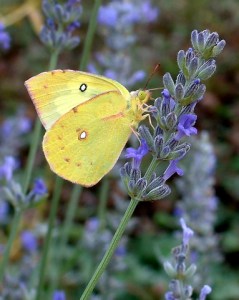
 Insects have a pretty crummy reputation. Not too many people are enamored with flies, roaches, or wasps. Yet, there are a few exceptions, such as ladybugs, honeybees (in the right setting), and of course, butterflies. Who doesn’t appreciate butterflies? We’re taken with their beauty, and we hope they’ll visit our gardens. Happily, there are a number of steps we gardeners can take to encourage these “flying flowers.” Creating a landscape that welcomes butterflies isn’t difficult, and it will appeal to people just as much as it does to the butterflies.
Most importantly, don’t spray insecticides in your yard. You’re trying to encourage butterflies and caterpillars, not kill them! If you do have a pest problem, make sure to identify the culprits before taking action. Sometimes spraying isn’t the best option. If you decide you need to apply a pesticide, use it selectively on the plants under attack. Don’t go wild with the sprayer.
(more…)

 We’re in the middle of summer, that season I’ve waited for all year. All those December dreams of dahlias, March musings of marigolds—and now it’s too hot to go outside! A friend and I have been planning, then delaying, a trip to the Denver Botanic Gardens for several weeks, hoping for a cooler day that will allow for a more enjoyable visit and better photos. Meanwhile, what’s a sweaty flower lover to do?
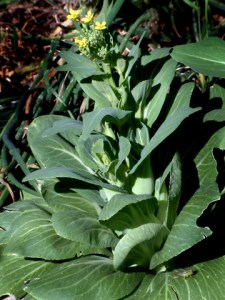 As I sit here in front of a fan, lemonade in hand, I can see my garden out the window. Of course the lettuce is bolting (as I mentioned last week). The cilantro is in full bloom, with delicate white flowers that attract a variety of beneficial insects. The bok choy is blooming too. Its bright yellow flowers of four petals arranged in the shape of a cross declare that it’s a crucifer, or mustard family member.
 It was the house-shaking boom of thunder that first caught my attention. As my ears recovered, I heard a drumming on the roof, a steady beat that rapidly got louder and louder. More flashes of lightning. More thunder. I stopped chopping up celery for the stir-fry I was making, and looked outside. Sure enough, that wasn’t just rain I was hearing. It was hail.
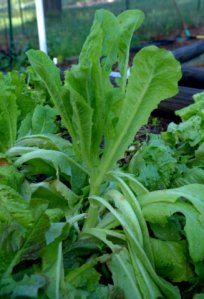 Mid-summer has finally caught up with my spring garden. The lettuce I set out in early May has matured. We’ve eaten dozens of salads and shared the bounty with friends. The few heads that remain are beginning to stretch upwards. Sweet leaves are turning bitter. When the plants we grow for greens decide to grow flowers instead of leaves, we all that “bolting.”
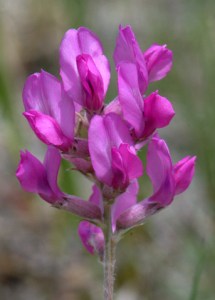 I was hiking on a nearby ranch last week when we came across some spectacular wildflowers. As I knelt to grab some photos, my plant expert companion remarked, “You know that’s locoweed. We should pull it out!”
 According to a recent
 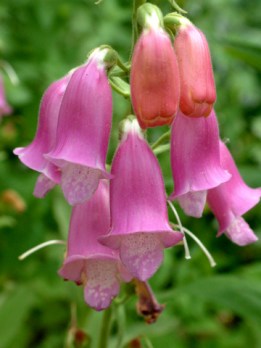 With one- to two-foot spikes of raspberry-pink flowers over a tidy mat of fuzzy foliage, perennial foxglove ‘Spanish Peaks’ isn’t your typical foxglove. Instead of the cool humidity of the British Isles, this hybrid is specifically recommended for Colorado gardens, doing well in our arid and unpredictable climate. As a result, it was named a
 Mountain Plover