
 We had been camping at Turquoise Lake, near Leadville, Colorado, high in the Rockies. As it was lunchtime, we spread out a tablecloth, set out a bowl of chicken salad (with chicken, grapes, celery, and pecans), and went to find the plates and forks. But as I returned to set the table, the salad seemed to be missing something… the pecans were gone! Seems we’d been victims of the camp robber!
“Camp Robber” is an apt nickname for the Gray Jay. Familiar residents of campgrounds throughout the coniferous forests across Canada and southward along the Rockies, these small jays aren’t the least bit shy. The birds have a tendency to not only accept handouts, but to brazenly help themselves to anything on your plate that looks edible.
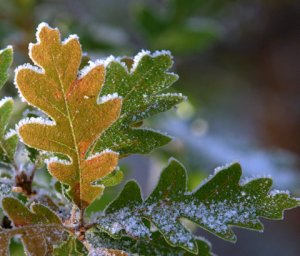 We’ve come to the end of another growing season. Now that we’ve had a hard freeze, you can put up your feet, re-grow your fingernails, and turn your attention elsewhere. Or, you can use the cold months ahead to improve your gardening skills.
 Last night WeatherBug was blinking a frost alert—the first of the season—and sure enough, there was ice on our birdbath this morning. I hate to admit it, but summer is over. I don’t mind the end of the cucumbers; they were overly prolific this year. And the carrots are safe underground for months to come. What I miss are the fresh herbs that we’re still enjoying. So, they’re moving back in with us.
 Are you staring out the window, watching the snowflakes, and desperately wanting to plant something? Guess what—you can! It may be too early to start tomatoes and broccoli, but lettuce seedlings can handle the cold with a little protection. So pull out the recycled six-packs and potting soil, soak your peat pots, and clear some space on the counter. It’s planting time!
 Does chaffing wind have you pining for gentle tropical breezes? Do the empty branches of your shrubs and trees leave you starving for bright green foliage? Are you dreaming of the scent of gardenias and orange blossoms?
 You don’t need to buy a plane ticket. Just head over the Denver Botanic Gardens’ new greenhouse complex. Walk through the door and your senses are engulfed by luxuriant growth. Feast on the bright colors and fascinating shapes of plants from faraway places. Inhale the humid air that keeps these exotics healthy and blooming. Pretend you are far, far south of Colorado.
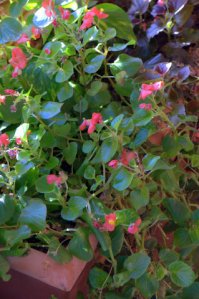 What plant thrives indoors, shrugs off low humidity, and blooms all winter in bold shades of white to pink to red? Surprise! It’s wax begonias!
 The sky is bright blue, the sun is shining, the predicted high is well above freezing, and it’s been like that for months. Sounds like perfect weather—but not if you’re a plant. As I look out my window at my dormant garden, I can hear the plants crying for water. Everything is so dry! Desiccating winds have drained the last vestiges of moisture from exposed leaves and branches, and even the so-called evergreens are shriveled.
 The tiny bird fluffs its feathers against the cold, while the north wind whips sleet into the pine branches surrounding its perch. With all water sources frozen, it has to use precious body warmth to melt the snow it eats. Last year’s crop of seeds is buried under a layer of white. Wild birds are amazingly hardy creatures, but even the sturdiest Mountain Chickadee (above) finds conditions like these a challenge.
 Mountain Plover